The city welcomes Durga
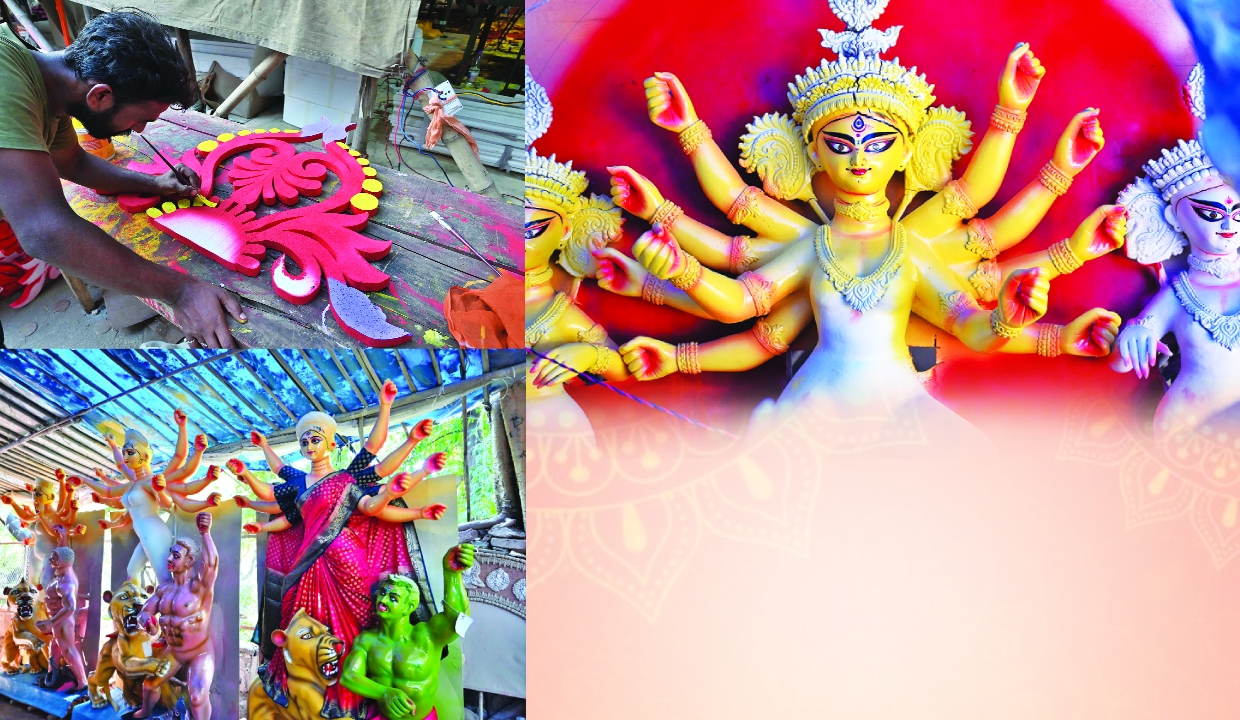
Uprooted families left home across the border but carried their goddess along, and in CR Park’s clay sheds, Maa is being made again
When the first Bengali families uprooted by Partition settled on a bare stretch of South Delhi in the 1960s, in what was then the East Pakistan Displaced Persons Colony, they carried little besides their language, their love of fish and Maa Durga. The colony, later renamed Chittaranjan Park after the freedom fighter Chittaranjan Das, is now where half of Delhi heads once the dhak starts beating.
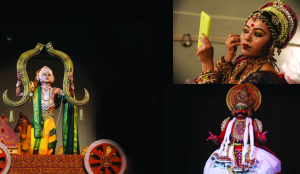
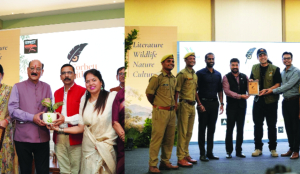
A pre-Pujo heritage walk by Sabhyata Foundation traced that story past the Kali Mandir and Market No. 1, where “bhalo achho?” comes before any haggling over fish and the evening adda over tea holds the neighbourhood together. The walk, said Avantika Dalmia, co-chairperson of the foundation’s advisory board, “brings together history, memory, craftsmanship and culture”, and the best of it came in the lanes where the kumors, the idol makers, were at work.
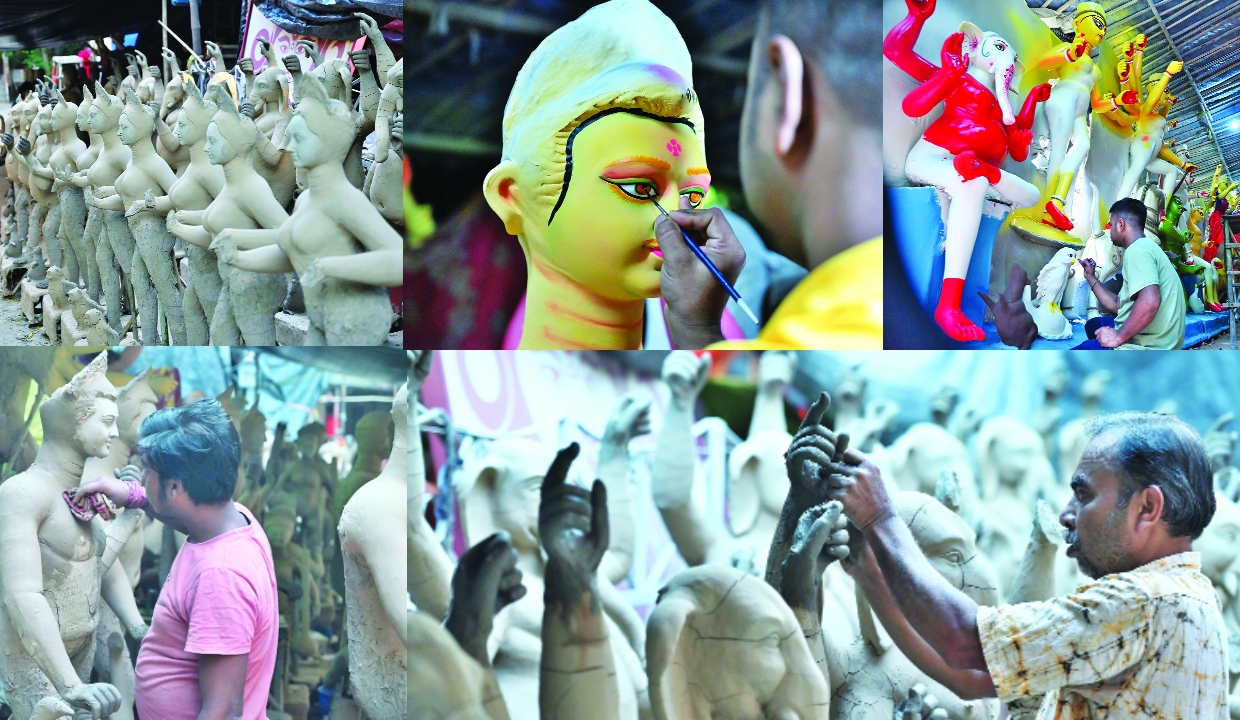
Every thakur, or idol, begins as a bamboo frame bound with straw, covered with a sticky clay called entel mati and then a finer, sandy bele mati that gives it skin. Faces come from moulds, hands are shaped separately, and each crack the sun opens is filled and wiped again, so an older artisan coaxed a Ganesha’s fingers out of wet clay while a young man ran a damp rag over Kartik’s chest, both working with the quiet patience of men who know Maa cannot be rushed. Nearby, an artisan in glasses drew a goddess’s curved brows with one careful stroke.
Then came Ma, her face the colour of fresh turmeric, her potol-chera chokh, long as a parwal sliced lengthwise, lined thick with kohl beneath the third eye that makes her Trinayani, a faint smile on her pink lips and a gaze, calm and fierce at once, that seemed to follow every visitor. By custom, the eyes are painted last, in the ritual of chokkhu daan, the gift of sight, and only when that gaze is in place is the thakur believed to come alive.
For those who cannot make it to Kolkata this Pujo, CR Park is a little Kolkata, with puchkas, fish cutlets dabbed with kasundi, mishti doi and baked rosogolla between pandals. Come Dashami, the goddesses will return to the water to cries of “Aschhe bochhor abar hobe”, a promise to meet again next year, but for now the city welcomes Maa Durga home.
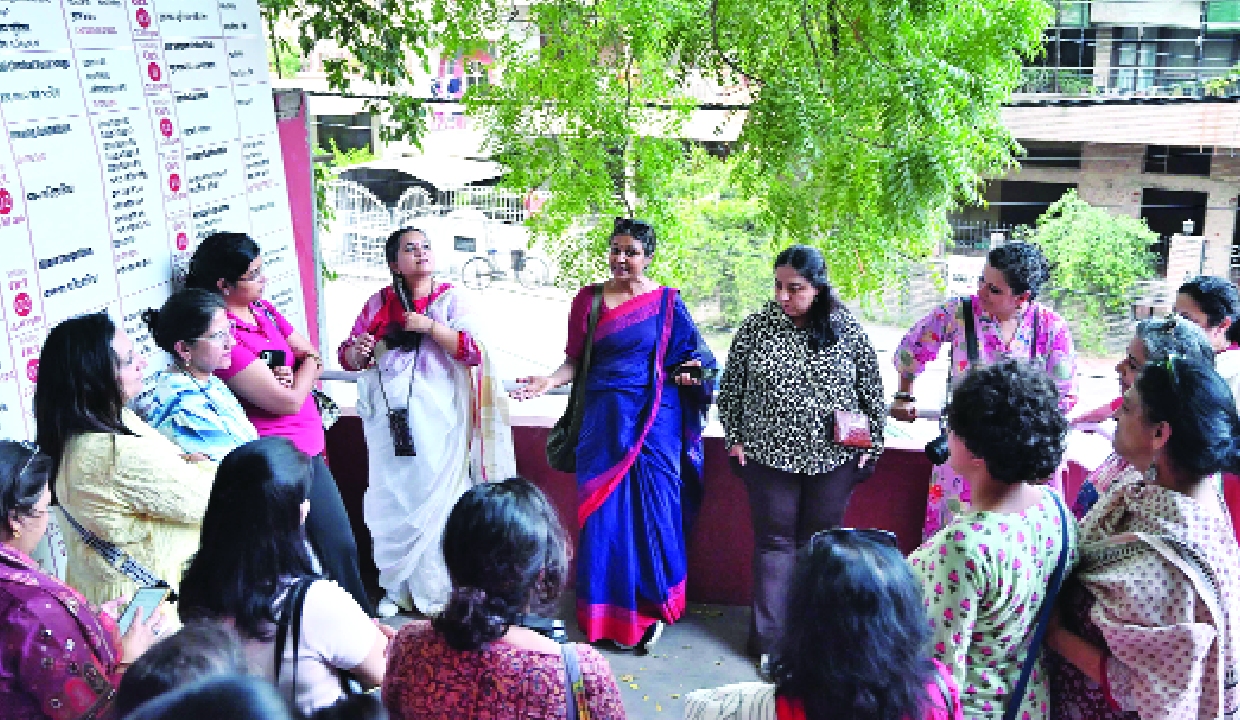 In CR Park, Archana Jain of O’Pause Travel Experiences takes Sabhyata Foundation’s pre-Pujo walkers back to the Partition years, when uprooted Bengali families built a new home and brought Maa Durga with them