61 Tamil Nadu factories face notices over safety violations after ammonia leak
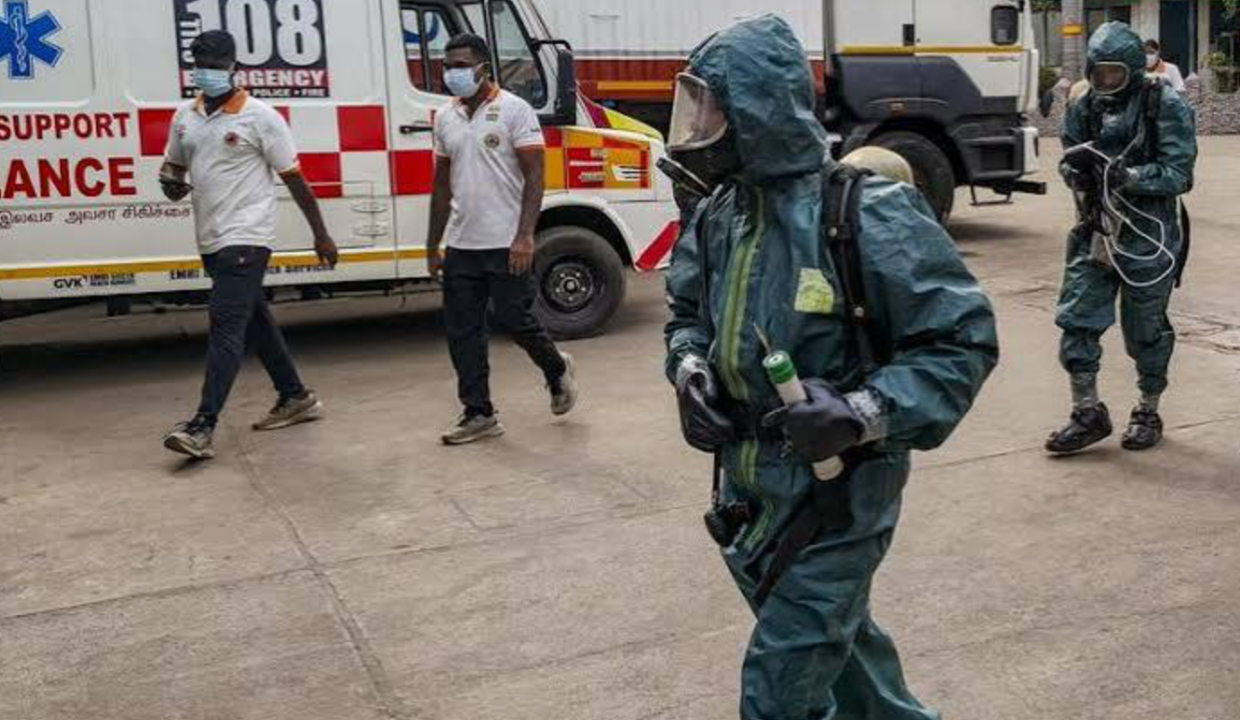
The Directorate of Industrial Safety and Health (DISH) has issued notices to 61 factories for violating safety norms during a month-long special inspection conducted after an ammonia gas leak at a seafood processing unit in Tiruvallur district in June killed 18 people.
The Labour Department has meanwhile set up a committee to examine the implications of shifting workers' accommodation away from factory premises.
The inspection drive was carried out in August, with 21 teams led by joint directors checking 342 factories across Tamil Nadu. The facilities inspected included seafood processing units, dairy plants and other food processing industries where ammonia is used.
The teams examined ammonia storage arrangements, emergency response plans, fire safety equipment, ventilation systems, protective equipment provided to workers and the maintenance of safety records. They also checked licences, the periodic testing of pressure vessels and safety training for workers who handle hazardous chemicals.
According to officials, 61 factories were found to be in violation of provisions under the Factories Act, 1948, and the Tamil Nadu Factories Rules, 1950.
One of the significant violations detected during the inspections was the practice of housing workers within factory premises where ammonia is used. Existing safety regulations prohibit such accommodation and require workers' housing to be located at least 300 metres from the factory.
The factories were issued notices and instructed to correct the violations within the stipulated period.
Officials said most of the units subsequently complied with the notices and addressed the violations, while a few sought more time to meet the requirements.
The requirement to move workers' accommodation outside factory premises, however, has raised concerns among food processing industries, especially seafood processing units. The units said maintaining hygiene is crucial because the products handled by them are intended for consumption and many are exported to other countries.
Industry representatives told the department that accommodating workers outside the factory could make it more difficult for the units to maintain hygiene standards and ensure the quality and safety of food products.
The concerns prompted the Labour Department to constitute a committee to examine the matter. It is headed by an Assistant Director of the Labour Department and includes officials from DISH, the Fire and Rescue Services Department and the Tamil Nadu Pollution Control Board (TNPCB).
Experts from Anna University, representatives of industries including Chemplast and Coromandel, and representatives from the Central Leather Research Institute (CLRI) are also part of the committee.
The committee will also seek the views of industry and workers' representatives before making its recommendations.
It will examine the safety and hygiene concerns raised by the food processing units and assess the benefits and practical difficulties associated with the existing requirement on workers' accommodation.
The committee is expected to submit its recommendations within a month. The Labour Department will take a decision on the next course of action based on its findings. (with inputs from media organisations)