Tame inflation before it turns into anger
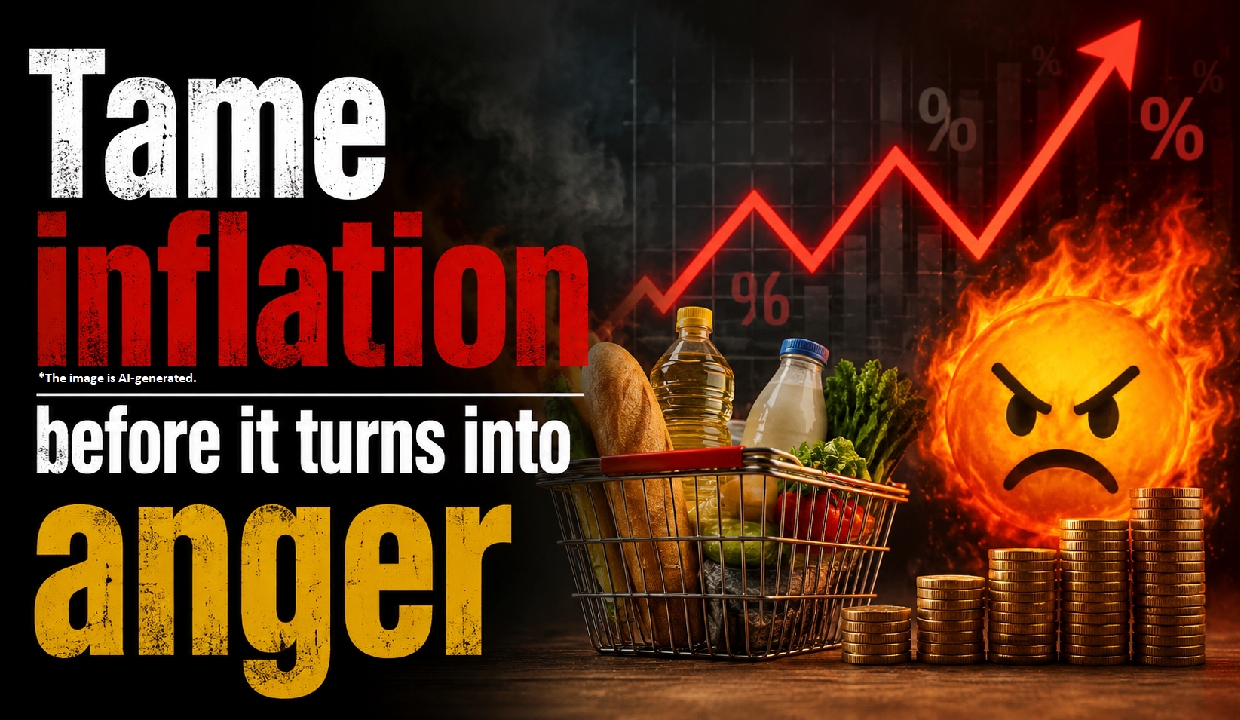
The Government must act swiftly to protect purchasing power before the squeeze on livelihoods turns into wider economic and political discontent
One thing that affects every Indian more than anything else is the rising cost of everyday living. There may be many other issues, but none has a more immediate effect on citizens than inflation. It not only destabilises the budget of an ordinary citizen but also causes anger, which can quickly turn into outrage.
India’s retail inflation has risen every month this year. From 2.74 per cent in January, the Consumer Price Index reached 5.54 per cent in September, the highest reading of 2026 and well above the RBI’s 4 per cent target.
Food inflation leapt to 7.74 per cent, with onion prices more than doubling over the previous year. This is not a blip but a situation that can get out of hand if immediate action is not taken. The causes are not mysterious. The war in West Asia and the disruption around the Strait of Hormuz, the route for most of India’s crude oil, have kept oil prices painfully high. Wholesale prices show what is coming down the pipeline: WPI inflation stood at 9.92 per cent in August, its fourth consecutive month above nine per cent, with fuel and power prices up nearly 23 per cent.
Diesel moves freight, while fertiliser shapes the next harvest. A deficient and uneven monsoon under El Niño conditions has added a food shock to an energy shock.
Salaried workers watch their real incomes shrink, small businesses face dearer inputs and weaker demand, and savers see returns eroded. Prolonged price pressures also breed anger.
Governments in the past have lost elections over onions in this country, and anger over food prices has fuelled street unrest elsewhere in the world. For a young population anxious about jobs, a ruinous grocery bill can turn quiet frustration into protest. Given the ongoing protests, it can add yet another dimension to them.
The response must be quick and layered. First, trim excise duties on petrol and diesel, with the Centre and states sharing the revenue sacrifice, so that fuel costs stop feeding into the prices of everything else. Second, release buffer stocks of onions, pulses and grain, ease import duties on edible oils and pulses, and allow states to act against hoarders.
Third, protect the poorest through targeted transfers rather than blanket subsidies that inflate the deficit. Fourth, secure crude oil from diverse sources, keep strategic reserves topped up, and build up fertiliser stocks before rabi sowing.
The RBI, which held its policy rate at 5.25 per cent and projected retail inflation of 5 per cent for this financial year, must remain ready to act if price pressures persist. A Government is judged at the vegetable stall and the petrol pump long before the ballot box.
Controlling inflation is not charity. It is the first duty of economic stewardship. Delay compounds the cost, and public patience is finite.