Supreme Court to pass order on Tarun Tejpal’s exemption plea
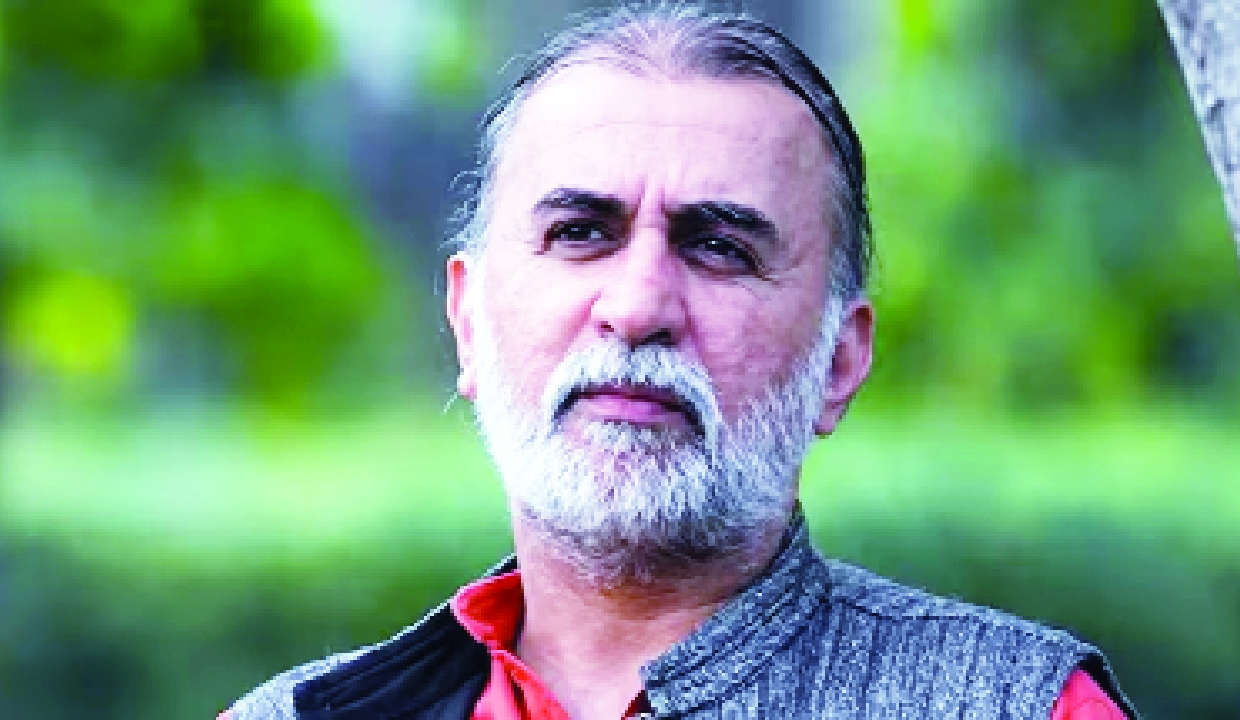
The Supreme Court on Monday said it will pass orders on journalist Tarun Tejpal’s plea for exemption from surrendering after he was convicted of rape and sentenced to 10 years of rigorous imprisonment by the Bombay High Court. A single-judge bench of Justice Alok Aradhe reserved its decision after Solicitor General Tushar Mehta, appearing for the Goa government, said Tejpal’s plea was not maintainable as the journalist had not filed a separate application for exemption from surrendering.
He said the plea was not maintainable also for the reason that Tejpal had not furnished a certificate that he had already surrendered as per the Supreme Court Rules, 2013.
At the outset, senior advocate Kapil Sibal, appearing for Tejpal, submitted that the Supreme Court Rules did not apply to the case as the High Court had already granted him four weeks to surrender.
Mehta referred to earlier top court decisions and said that where the appeal has been filed, it shall expressly state whether the convict has surrendered or not.
He said in the case where the convict has not surrendered, the appeal should not be accepted unless accompanied by an exemption application from surrendering.
Mehta said, “The existence of the appeal is dependent on either filing a certificate that he has surrendered or, alternatively, he will have to pray for exemption from surrendering. These are only two options. Look at the seriousness of the matter.”
Sibal urged the bench to list the matter on August 31 before the regular bench as Tejpal has time till the first week of September to surrender.
“I don’t know why my friend (Mehta) insists that I must go to jail when I’m protected… We are not seeking any extension. I’m already protected. Please list the matter on August 31,” Sibal urged the bench.
The bench said that it would pass orders in the matter and reserved its decision.
On Monday, Tejpal’s plea was listed in chamber matters, where cases are taken up for preliminary or procedural directions and then placed before a regular bench for hearing.