Sujalam Bharat ID will be the new age common identifier of rural water-supply system
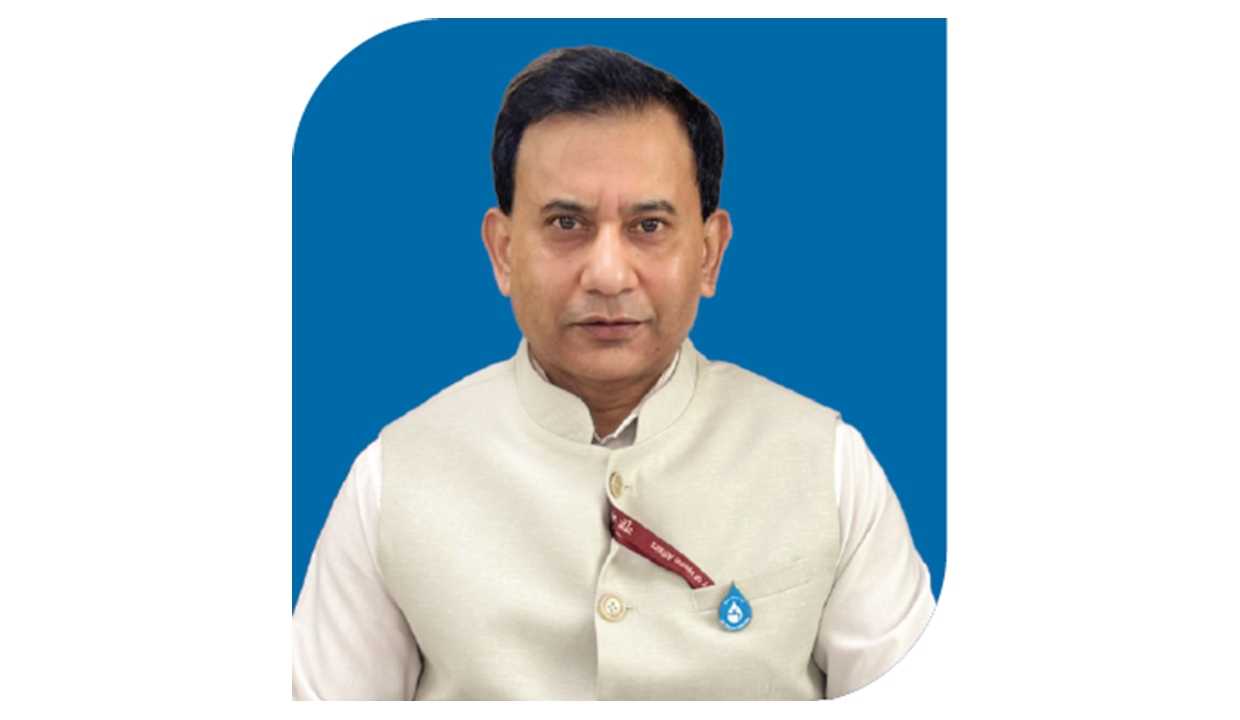
Sujalam Bharat seeks to organise this information around common digital identifiers, standardised metadata and interoperable registries so that it can be used throughout the lifecycle of the water-supply system. In an Interview, Kamal Kishore Soan, Additional Secretary & Mission Director, National Jal Jeevan Mission (NJJM) Drinking Water and Sanitation (DDWS), Ministry of Jal Shakti, said larger vision is to support the transition towards utility-based, data-driven rural water governance, with technology assisting public authorities while human oversight and institutional accountability remain central.
Q. DDWS has recently released the Policy on Data Sharing, Interoperability and Stakeholder Access under Sujalam Bharat Digital Public Infrastructure. What is the purpose and vision behind it?
A. Jal Jeevan Mission has enabled creation and augmentation of rural piped water-supply infrastructure at an unprecedented scale. As this infrastructure is mapped, commissioned and brought into service, large volumes of information are also being generated on schemes, water sources, assets, service areas, water quality, functionality and operation and maintenance.
Sujalam Bharat seeks to organise this information around common digital identifiers, standardised metadata and interoperable registries so that it can be used throughout the lifecycle of the water-supply system.
The larger vision is to support the transition towards utility-based, data-driven rural water governance, with technology assisting public authorities while human oversight and institutional accountability remain central.
Q. Why is a common digital framework particularly important at this stage of Jal Jeevan Mission?
A. This is an appropriate stage to establish the digital identity of infrastructure while schemes, sources and assets are being created, mapped and institutionalised.
If common identifiers are established now, future information relating to maintenance, functionality, water quality, expenditure, source sustainability and service delivery can continue to be linked with the same infrastructure throughout its operational life.
Q. What are the key identifiers under Sujalam Bharat?
A. The Sujalam Bharat ID is the common identifier of a rural water-supply system, linking its infrastructure from the source through treatment, transmission, storage and distribution to its service area or service areas.
A Sujalam Bharat ID may be linked with multiple Sujal Gaon IDs, which represent the respective service areas. This creates a common index around which information generated through different systems can be organised.
Q. Is Sujalam Bharat a centralised data system? What role do States have?
A. No. Sujalam Bharat is designed as a federated Digital Public Infrastructure.
States and Union Territories will continue to maintain and govern datasets and digital services under their jurisdiction. State-controlled data will remain subject to the approval and governance of the competent State authority. At the same time, common identifiers, metadata standards and interoperability protocols will allow State and national systems to communicate with each other.
The objective is therefore not centralisation of State data, but interoperability with distributed ownership and accountability.
Q. How will this improve operation and maintenance?
A. Once information on an asset, its location, functionality, maintenance history, breakdowns, water quality and service level is linked through common identifiers, States and local institutions can undertake more systematic and preventive O&M.
The framework can support maintenance workflows, dashboards, mobile applications, asset-health monitoring and predictive systems so that data leads to timely action.
Q. How does Sujalam Bharat create a foundation for Artificial Intelligence?
A. AI is useful only when the underlying data is reliable, structured and traceable.
Sujalam Bharat seeks to create that foundation through authoritative registries, standardised metadata, common identifiers, validation, quality checks and data lineage. Approved and appropriately governed datasets can thereafter support AI and Machine Learning for predictive maintenance, anomaly detection, source-sustainability assessment, infrastructure planning and decision support.
However, AI will augment public authorities; governance-critical decisions will remain subject to human review and accountability.
Q. How will citizens benefit from this digital architecture?
A. Citizen accountability is an important part of Sujalam Bharat. The architecture provides for citizen-facing interfaces such as the Meri Panchayat Application, through which approved information on water-supply assets, water quality and daily supply operations can be made visible and citizens can provide service feedback and register and track grievances.
Gram Panchayats, VWSCs and citizens can also participate in functionality assessment and infrastructure validation. This strengthens transparency and makes service delivery more responsive to the community.
Q. Can the DPI be useful to stakeholders outside Government?
A. Yes. Subject to appropriate safeguards, standardised datasets and digital services can support Government institutions, research organisations, startups, technology partners and the wider WASH ecosystem. This can encourage digital solutions for pump repair, plumbing, tank cleaning, household-level water testing, leakage management and other O&M services, while also supporting innovation by laboratories, manufacturers and technology enterprises.
Q. What is the long-term outcome expected from Sujalam Bharat?
A. The objective is to create a trusted digital foundation for rural water utilities where States retain their governance role, citizens have greater visibility and accountability, and structured and authentic information can support better O&M, planning, source sustainability, innovation and responsible use of emerging technologies.
Ultimately, Sujalam Bharat is about converting the information generated across the rural water sector into better, more sustainable and accountable drinking-water services for citizens.