Starlink rivalry may cut Ambani’s profits: Musk
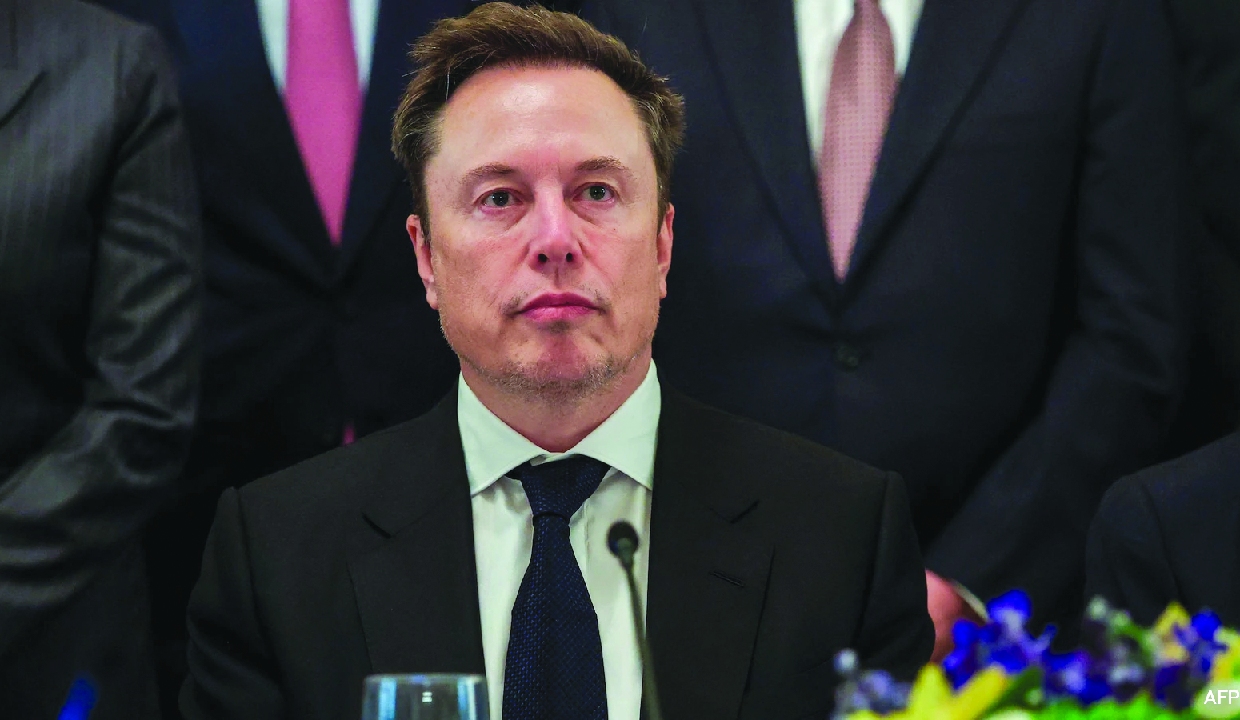
SpaceX CEO Elon Musk has argued that allowing Starlink to operate in India would benefit ordinary consumers through greater choice, even if it reduced Reliance Industries chairman Mukesh Ambani’s profits. In a post on X over the weekend, Musk criticised what he described as contradictory arguments from Ambani’s supporters about the satellite internet service’s potential impact on the Indian market.
“On the one hand, they say Starlink couldn’t possibly compete with the amazing low prices offered by Ambani’s de facto monopoly in India and then, in the same breath, they essentially claim that Starlink would be too strong of a competitor! This is absurd hypocrisy and hyperbole,” Musk wrote.
He added that competition “would greatly benefit the average citizen in India by giving them more choices, as it always does. Ambani’s profits will be lower, but he is not going out of business.” Musk further stated that market forces would compel SpaceX to price the service affordably: “Obviously, if Starlink is too expensive in India, no one will buy it, so SpaceX will need to make pricing affordable.”
The comments are the latest in a series of public remarks by Musk regarding delays in Starlink’s commercial launch in India. Earlier, he sarcastically called Ambani “Prime Minister Ambani” and asked whether the industrialist was “the real boss of India,” alleging that unnamed “oligarchs” were blocking the service to protect a “monopolistic chokehold.” Starlink has sought regulatory approval for several years and has previously signed conditional distribution agreements with Reliance Jio and Bharti Airtel.
India’s Ministry of Communications has dismissed the bias allegations, saying the regulatory framework for satellite communications is fair and not discriminatory. They have pointed out that three companies, Starlink, Reliance Jio Satellite Communications, and Eutelsat OneWeb, have the appropriate licences and are at about the same stage.
However, final security clearances and spectrum allocation are still pending. Union Communications Minister Jyotiraditya Scindia has said India would not allow a monopoly in the sector.
Reliance Jio, owned by Mukesh Ambani via Reliance Industries, is India’s largest telecom operator and has achieved some of the lowest mobile data prices in the world through its aggressive competitive strategy. People in favour of the current market situation often point to service affordability and Jio’s scale as reasons satellite services will struggle to gain wide acceptance in urban and semi-urban areas.
At the same time, Starlink and other satellite companies claim they can extend connectivity to remote or poorly served regions where terrestrial networks are limited or too expensive to set up. Jio has also said it plans its own satellite constellation.
Reliance has not publicly replied to Musk’s comments from the weekend. The exchange highlights ongoing debates about how quickly satellite spectrum is allocated, the balance between existing terrestrial networks and new low-Earth-orbit systems, and the potential impact of extra competition on pricing and coverage in one of the world’s largest internet markets. The final commercial launches for the satellite operators granted licences are still awaiting remaining regulatory and security clearances from the Ministry of Home Affairs (MHA).