Sood orders city-wide fire audit after Palam tragedy
Delhi Minister Ashish Sood on Thursday ordered a city-wide fire safety audit covering all establishments, including those operating in residential areas, in a move aimed at closing gaps in enforcement and preventing accidents.
This comes after the blaze at a building which claimed nine lives, including three children, in Palam on Wednesday. The directive mandates third-party experts to map and audit establishments across the city to ensure compliance with standard fire safety norms.
Sood directed third-party experts to be engaged to map and audit all establishments in the city for fire safety compliance. “The move aims to identify gaps in safety measures and ensure adherence to prescribed norms across commercial units operating in mixed-use areas,” he said.
“Every worker and every family deserves to feel safe, no matter where they are,” Sood said, adding that the Government intends to eliminate gaps in safety coverage and strengthen preventive measures. Officials said the exercise will go beyond traditional checks that often focus only on commercial zones. Sood said the Government will no longer allow “blind spots” in safety oversight. “Every worker and every family deserves to feel safe, no matter where they are,” he said. “We are ending gaps in enforcement and ensuring that safety rules apply everywhere.”
The decision expands the scope of fire safety inspections to include small businesses and commercial activities running within residential neighbourhoods. These areas often escape routine checks despite housing workshops, storage units, and informal enterprises.
Officials said the involvement of third-party experts aims to ensure speed, accuracy, and independent assessment. The experts will conduct mapping and on-ground audits of establishments to identify violations and recommend corrective measures. The minister said the focus is on prevention rather than response.
“We are not waiting for accidents to happen. We are working to stop them before they start,” he said. The move comes amid growing concerns over fire risks in densely populated areas where commercial activities operate in proximity to homes. Narrow lanes, poor access for emergency vehicles, and a lack of safety equipment often increase the risk in such zones.
Officials said the audit will help identify high-risk locations and ensure that safety norms are followed across the board. The exercise will also create a detailed database of establishments in the city, which authorities say will improve monitoring and future enforcement.
Sood said the initiative is part of a broader effort to build a safer urban environment. He described the plan as a step towards a “secure and future-ready Delhi” where safety is not compromised. The Government said strict compliance will follow the audit, with action likely against establishments found violating safety norms.
According to Delhi Fire Services (DFS) data, 2,716 fire calls were received between January 1 and March 15 this year, down from 3,352 in the corresponding period of 2025. The city is currently reporting an average of around 36 fire calls per day. Despite the dip, casualties remain a concern, with 13 deaths and 111 injuries reported so far this year, compared to 18 fatalities and 109 injuries during the same period last year.
Reflecting the magnitude of fire-related emergencies in the national capital, the 2025 data revealed that the DFS responded to a total of 18,670 fire calls, while the overall number of emergency calls, including rescue operations, stood at 35,865. According to the data, last year, at least 76 people lost their lives in fire incidents, and 565 were injured. In addition, the fire personnel carried out 2,278 rescue operations, along with 3,892 animal rescues and 3,251 bird rescues.
A senior fire officer, while highlighting that more than 80 per cent of fire incidents are linked to electrical faults, said, “The increasing load on old wiring systems, coupled with poor maintenance, often leads to short circuits. This remains one of the biggest causes of fires in the city,” the officer said. He added that the presence of combustible materials such as furniture, fabrics and stored goods further worsens the situation, allowing fires to spread rapidly.
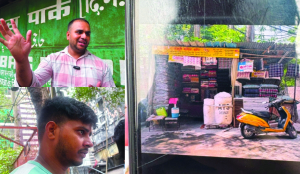
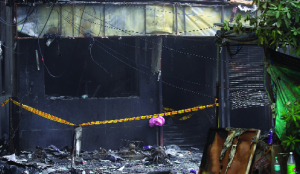
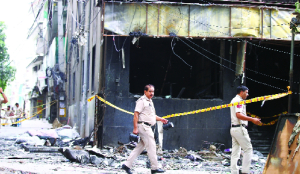
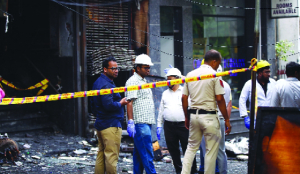
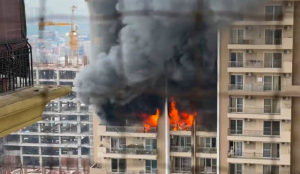
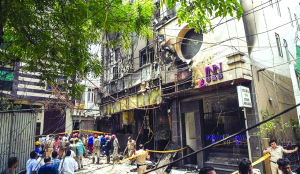
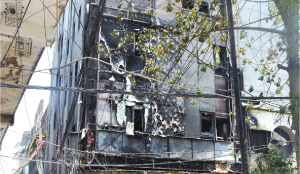
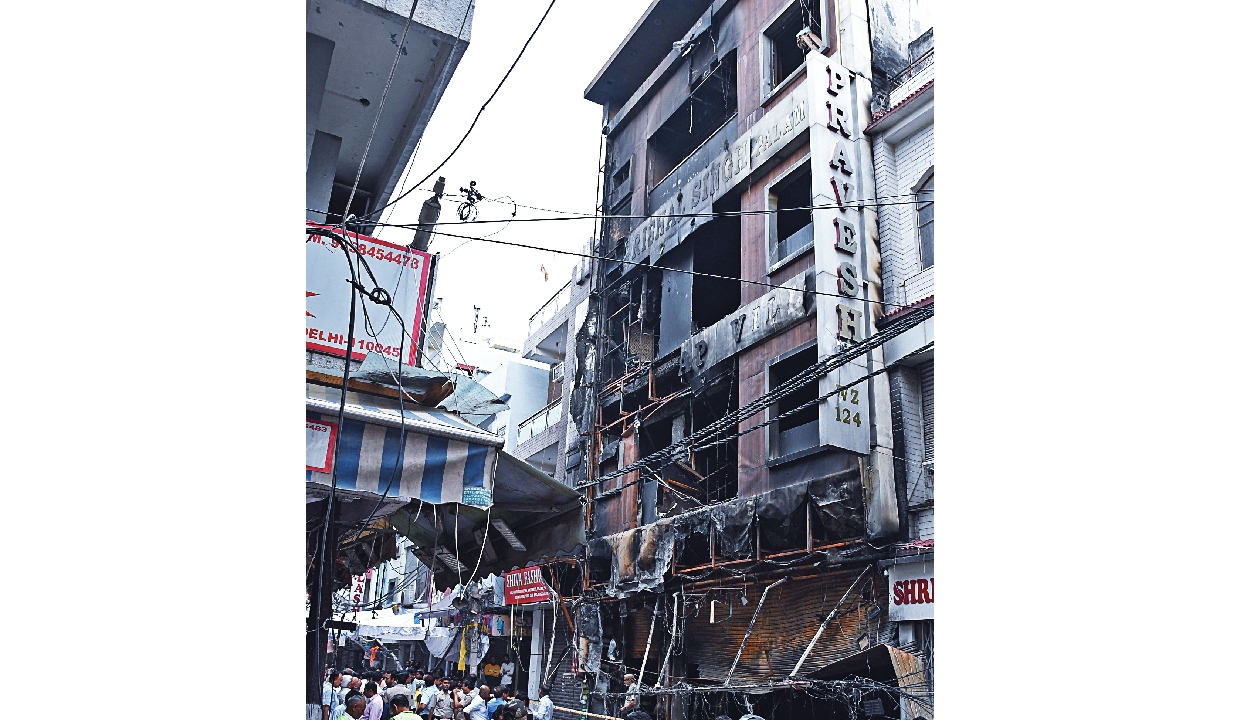
The issue has come into sharp focus after the March 18 blaze in Palam, where nine members of a family were killed after a fire engulfed a residential building with commercial use on lower floors. The incident exposed multiple risk factors, including high fire load, limited ventilation and access constraints in congested areas.
The officer said such mixed-use buildings are particularly vulnerable, as storage of flammable materials such as clothes and cosmetics can intensify fires within minutes, leaving little time for evacuation. Seasonal patterns also emerge from the data. In 2025, fire calls peaked during April (2,991 calls) and October (1,867 calls), suggesting a link with weather conditions and increased electrical usage.
Authorities have stressed the need for stricter enforcement of fire safety norms, especially in residential buildings and commercial establishments operating without clearances.