
Yoga: A lifelong companion on the journey of ageing
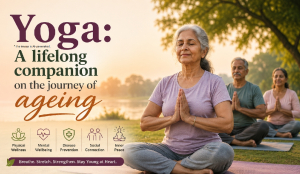
As the world prepares to celebrate International Day of Yoga, this year’s theme, “Yoga for Healthy Ageing”, has sparked important conversations about wellness in later life. Images of elderly practitioners performing yoga postures with grace and confidence are inspiring, highlighting how the practice can help maintain strength, mobility and independence. Yet the theme also offers an opportunity to rethink a common misconception: ageing is not something that begins in old age.
It starts the moment life begins. From birth onwards, the human body is constantly changing. It grows, adapts, repairs itself and gradually moves through the different stages of life. Ageing is not a sudden event that arrives after retirement; it is a continuous process. The real challenge, therefore, is not avoiding ageing but learning how to support our bodies and minds throughout that journey.
This is where yoga becomes truly valuable. Many people view yoga as a remedy for stress, stiffness, poor posture or declining health. While it certainly helps address these concerns, its deeper purpose lies in prevention. Yoga encourages us to care for our physical and mental well-being long before problems arise.
Movement is essential to healthy living. Children naturally bend, stretch, squat and balance without conscious effort. As adulthood progresses, however, modern lifestyles often replace movement with prolonged sitting, screen time and repetitive routines. Gradually, flexibility decreases, muscles weaken, posture suffers and balance becomes less reliable. These changes occur so slowly that they often go unnoticed until discomfort or fatigue begins affecting daily life. Yoga offers a simple yet effective way to counter this decline. Stretching practices help preserve flexibility, while mobility exercises keep joints healthy and functional. Strength-building postures support muscles and bones, allowing the body to remain capable and resilient over time. Balance-focused practices improve coordination and stability, reducing the likelihood of injuries as we age. Importantly, these benefits are not limited to senior citizens. A young professional spending hours at a desk may need them just as much as an older adult.
Breathing is another crucial element of healthy ageing. Though it accompanies us throughout life, we rarely pay attention to it. The demands of modern living often encourage shallow, hurried breathing, which can contribute to stress, poor sleep and reduced energy. Yogic breathing techniques restore awareness to this vital process. A slow, steady breath helps calm the nervous system, supports mental clarity and promotes recovery and relaxation. The ability to regulate one’s breath is a skill that benefits people at every age. Equally important is yoga’s impact on mental well-being. Many fears associated with ageing stem from concerns about loss-loss of strength, appearance, independence or certainty. Yoga shifts the focus towards qualities that can continue to grow throughout life: awareness, patience, resilience, gratitude and inner balance. It teaches acceptance without passivity and growth without constant struggle. Ultimately, yoga is not merely a practice for old age; it is a practice for life. It requires no expensive equipment, exceptional flexibility or large amounts of time. Even a few minutes of mindful movement and conscious breathing each day can create lasting benefits. Like any worthwhile investment, small and consistent efforts accumulate over time. This International Yoga Day, let us see yoga not as a response to ageing, but as a lifelong companion that helps us move, breathe and live with greater balance. Ageing begins at birth, but so do strength and wisdom.
The writer is a trained Sivananda Yoga teacher; Views presented are personal.