
Wide open Build-Operate-Transfer (Toll) for NH projects, MoRTH Secy
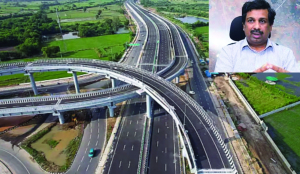
In an effort to attract greater private investments into the highway and expressway sectors, the Ministry of Road Transport and Highways (MoRTH) has widened the bidders’ scope by modifying the bidding conditions for Build-Operate-Transfer (Toll) projects.
The new changes mark a paradigm shift ever since the sector was opened to private players in the early 2000s. “So far, only highway developers and construction companies were eligible to bid for such projects, but now the government has allowed venture capital, private equity, infrastructure and pension funds to bid for highway projects under the Public-Private Partnership (PPP) model,” said MoRTH Secretary V Umshankar.
Under a modified request for proposal (RFP) framework issued by MoRTH, institutional investors can now directly bid for BOT projects under the public-private partnership (PPP) model. BOT projects involve financing, constructing and operating highways over concession periods that typically range between 20 and 30 years, making them more exposed to construction and execution risks.
“Bidder may be a natural person, private entity, govt-owned entity, AIF, FIF or any combination of them with a formal intent to enter into a joint bidding agreement to form a consortium,” Umashankar told The Pioneer about the modified bidding document notified by the highways ministry on April 29, 2026. Highway builders and construction companies will, however, continue to bid for such projects as well.
The document also establishes separate criteria for evaluating bids submitted by alternative funds and traditional highway developers. Highway construction firms will qualify based on both technical and financial capacity. Funds must meet a financial capacity threshold set at twice the prescribed level for eligibility.
“The new proforma has separated financial eligibility from construction capability, which has always been a demand from large financial investors who were previously deterred by technical qualification requirements. Under the new framework, institutional investors will primarily be assessed on their financial strength,” Umashankar said.
The second part, construction-related expertise, has to be fulfilled later through engineering partners or concessionaires appointed after the project is awarded, MoRTH project engineers said.
The move comes after four NH projects worth nearly Rs 22,000 crore have reportedly failed to attract bidders under the BOT model. The new relaxed norms aim to revive private investment and significantly widen the pool of eligible bidders.
According to the updated RFP document, bidders can include private entities, government-owned firms, Alternative Investment Funds (AIFs), foreign investment funds, natural persons, or consortia formed through joint bidding agreements. Importantly, the ministry has separated financial eligibility from construction capability — a key demand from large financial investors who were previously deterred by technical qualification requirements.
MoRTH officials said the change will make BOT projects more attractive to long-term capital providers seeking infrastructure exposure in India without directly taking on execution responsibilities.
India’s national highway network is currently developed through multiple execution models, including EPC (Engineering, Procurement and Construction), Hybrid Annuity Model (HAM), BOT, InvIT structures and TOT projects.