
WHO chief arrives in Congo to support Ebola response as cases near 4,000
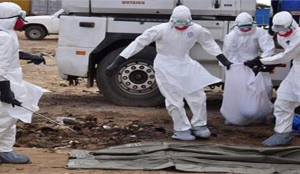
The head of the World Health Organisation has arrived in Congo to support measures being ramped up to slow the world's fastest-growing Ebola outbreak, the agency said on Wednesday, August 5, as confirmed cases reach nearly 4,000.
WHO Director-General Tedros Adhanom Ghebreyesus arrived in Kinshasa, Congo's capital, late Tuesday, August 4, night and is scheduled to meet with partners and Congo's President Félix Tshisekedi, the WHO country office told The Associated Press. It's his second visit to the country since the outbreak was declared in mid-May.
The Ebola outbreak reached 3,874 cases, including 1,751 deaths as of Monday, according to the latest data published overnight by Congo's Ministry of Health.
The outbreak has eclipsed all other Ebola outbreaks in history in terms of rate of transmission and is the second-largest outbreak on record, only behind the 2014-2016 West Africa outbreak that recorded more than 28,000 cases, including over 11,000 deaths.
The Bundibugyo virus that is causing the outbreak has no approved treatment or vaccine, and local officials believe the outbreak had been raging on in a remote part of eastern Congo long before it was declared on May 15.
Most of the new cases being recorded in the outbreak are outside of contacts being monitored after their exposure to patients, showing that Ebola is still spreading faster than the response that has been expanding.
In Ituri province, the epicentre, which accounts for nearly 90 % of cases, many localities are still not accessible due to safety concerns amid rebel conflict. Many health workers have gone on strike to protest the lack of payment, although some have reported receiving their payment in recent days.
The Africa Centres for Disease Control and Prevention Director-General, Dr Jean Kaseya, said Tuesday, August 4, when he visited Bunia, Ituri's capital, that contact tracing isn't working, with at least 60-70 % of new cases coming outside of the contact list.
“We need to be innovative in the way we approach the contact list,” Kaseya said.
Late detection of cases remains challenging and has been a key contributing factor to the 45 % fatality rate, officials say. The 77 new cases reported in the previous 24 hours included 44 deaths, according to the health ministry's update.
At least 717 patients are in isolation, while 749 patients have recovered.