
UNESCO warns Pakistan over reconstruction work at historic Taxila heritage site
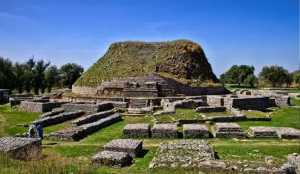
UNESCO has warned Pakistan over reconstruction work carried out at parts of the ancient archaeological site of Taxila, a UNESCO World Heritage Site, saying the interventions may have compromised the site's authenticity and historical integrity.
The organisation has asked Pakistani authorities to reverse the disputed reconstruction work, warning that failure to take corrective measures could result in parts of Taxila being placed on UNESCO's List of World Heritage in Danger.
The concerns focus on restoration activities at the Sirkap and Mohra Moradu sites within the Taxila complex. UNESCO and heritage experts have questioned the use of modern construction methods and alterations that they say could affect the archaeological value of the monuments.
However, the Punjab Archaeology Department has defended the work, stating that the interventions were necessary to preserve structures that were at risk of deterioration.
Taxila, located in Pakistan's Punjab province, is one of South Asia's most significant archaeological sites, with a history dating back over two millennia.
Inscribed as a UNESCO World Heritage Site in 1980, it contains the remains of ancient settlements, Buddhist monasteries, and educational centres. UNESCO has urged Pakistan to ensure that all future conservation work follows internationally accepted heritage preservation standards.