
The cuisine of mahaprasad, memory and devotion
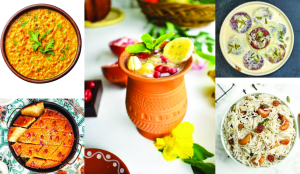
There are festivals that are seen, festivals that are heard, festivals that are tasted and festivals that are experienced. Jagannath Rath Yatra belongs to all four. The sight of the great chariots rolling through the Bada Danda of Puri, the sound of cymbals, conch shells and chants of Jai Jagannath, and the fragrance of sacred food rising from homes, mutts and temple kitchens together create one of India’s most powerful civilisational experiences. Every year, on Ashadha Shukla Dwitiya, Lord Jagannath, Lord Balabhadra and Devi Subhadra leave the sanctum of the Shri Jagannath Temple and travel to the Gundicha Temple in their magnificent chariots. For millions of devotees, this is not merely a procession. It is the rare moment when the divine steps out to meet the people. In that meeting, food becomes one of the most intimate languages of faith. The cuisine of Rath Yatra is not about indulgence or display. It is about offering, receiving, sharing and remembering.
The cultural history of Rath Yatra is deeply tied to the idea of accessibility. Lord Jagannath, whose name means Lord of the Universe, does not remain distant from his devotees. During the yatra, he comes out of the temple with his brother and sister so that everyone, regardless of age, status or background, may receive darshan. The chariots themselves become moving temples. Lord Balabhadra’s Taladhwaja, Devi Subhadra’s Darpadalana and Lord Jagannath’s Nandighosha are pulled not by kings alone, but by countless hands joined in devotion. The festival moves from Shri Mandir to Gundicha Temple, where the deities stay before returning during Bahuda Yatra. This journey is filled with rituals, pauses and emotions, each carrying its own culinary memory. At the heart of it all is the Jagannath food tradition, one of the most sacred and distinctive temple cuisines of India.
To understand the cuisine of Rath Yatra, one must first understand Mahaprasad. In Puri, food is not simply cooked for consumption. It is prepared as bhog, offered to Lord Jagannath, and sanctified as Mahaprasad after its ritual association with Maa Bimala. Only then does it become food that is received by devotees as grace. The cuisine is sattvic, without onion and garlic, and built around rice, lentils, vegetables, jaggery, coconut, ghee, milk, curd and local seasonal produce. In Ananda Bazaar, Mahaprasad is shared among people without the ordinary barriers of caste, class or social standing. In a country where food often reflects hierarchy, Jagannath Mahaprasad stands as a sacred reminder that before the divine, all are equal. The process of preparing Mahaprasad is as sacred as the food itself, and it also reflects a remarkable traditional understanding of heat, steam and scale. In the Jagannath tradition, cooking is not treated as an ordinary kitchen activity, but as seva performed under strict ritual discipline. The food is prepared in the Rosaghara, the temple kitchen, by hereditary cooks known as suaras and mahasuaras. The ingredients are sattvic, vegetarian and free from onion and garlic, and nothing is tasted during preparation because the food is meant first for the Lord. Water is drawn from the temple wells traditionally known as Ganga and Jamuna, and the cooking is done in earthen pots called kudua over firewood.
What makes the preparation especially distinctive is the stacked-vessel method. Several earthen pots are placed one above another on the same wood-fired hearth, with rice, dal, vegetables or other offerings cooking in separate vessels at the same time. Traditionally, it is said that the pot at the top cooks first, followed by the vessels below. Rather than seeing this only as a mystery, it may also be understood as the wisdom of an old cooking science. The fire below creates intense heat, while steam and hot air rise through the stacked arrangement. The clay pots absorb, retain and slowly distribute heat, allowing the food to cook gently without direct metal contact. The porous earthenware, the trapped steam, the shape of the hearth and the arrangement of the pots together create a system that can cook large quantities while preserving texture, aroma and warmth. Once the food is cooked, it is offered as bhog to Lord Jagannath, Lord Balabhadra and Devi Subhadra. In the Puri tradition, the offering becomes Mahaprasad only after its ritual association with Maa Bimala. It is then carried to Ananda Bazaar, where devotees receive it not merely as food, but as grace.
The most recognisable way in which devotees receive this sacred food is Abhada, the cooked Mahaprasad meal associated with the temple tradition. Abhada is not one single dish, but a complete experience of rice, dal, vegetables, greens, khatta and sweets received together. It is served with humility, often on leaf plates, and eaten with reverence. Its beauty lies in its simplicity. Unlike rich restaurant food, Abhada does not depend on heavy spice or elaborate garnish. Its depth comes from the sanctity of the offering, the purity of ingredients and the collective memory of generations who have eaten it as divine food. Around Rath Yatra, devotees who visit Puri often consider receiving Mahaprasad an essential part of the pilgrimage. For those outside Odisha, preparing Odia-style dishes at home becomes a way of joining the festival through taste.
Among the rice preparations, Kanika holds a special place. It is a fragrant sweet rice cooked with ghee, sugar or jaggery, and mild spices such as bay leaf, cardamom or cinnamon, depending on household practice. Unlike ordinary sweet rice, Kanika belongs to the ceremonial world of Odisha’s temple food. It carries a gentle sweetness, a golden richness and a festive dignity that make it appropriate for offering. Ghia Anna, rice mixed with ghee, is another preparation that may appear simple but is deeply meaningful in the Mahaprasad tradition. The warmth of cooked rice and the aroma of ghee create a food that is soft, nourishing and sacred. Dahi Pakhala, rice cooled with curd and water, reflects Odisha’s climate and culture. In the humid monsoon atmosphere of Rath Yatra, such cooling foods are both practical and symbolic. They remind us that temple cuisine is not detached from ecology. It understands heat, rain, hunger, digestion and the needs of the body.
The savoury heart of the Rath Yatra table is found in Odisha’s vegetable and lentil preparations. Dalma is perhaps the most beloved of these. Made with lentils and vegetables such as raw banana, pumpkin, papaya, brinjal, yam or drumstick, it is lightly spiced and often finished with roasted cumin and ghee. Dalma is nourishing without being heavy, festive without being excessive. Its importance lies in balance. Grain, dal and vegetables come together in one pot, reflecting the Odia instinct for food that sustains both body and spirit. Muga Dalma, made with moong dal, has a softer and more delicate character. The roasted aroma of moong dal, combined with seasonal vegetables, gives it a comforting depth that makes it suitable for offerings and family meals during the festival.
Another important preparation is Besara, a mustard-based vegetable dish that reveals the distinctive flavour of Odisha. Mustard paste gives it sharpness, warmth and earthiness. Vegetables such as pumpkin, raw banana, potato, colocasia or ridge gourd may be cooked in this paste, creating a dish that is unmistakably Odia. It is not generic temple food. It carries the taste of the region. Mahura adds another dimension to the meal. Usually made with mixed vegetables and gentle spices, it has a rustic, full-bodied quality. It may include vegetables like pumpkin, brinjal, raw banana and yam, cooked until they absorb the seasoning and become soft, fragrant and satisfying. Saga Besara or simple Saga Bhaja brings greens into the ritual meal. Leafy vegetables cooked with mustard or lightly sautéed reflect the everyday wisdom of Odia households, where greens are treated not as decoration but as essential nourishment.
No Odia festive meal feels complete without a sharp, sweet or sour note, and this is where Khatta becomes important. A khatta may be made with ingredients such as elephant apple, raw mango, tomato in household versions, or other souring agents, balanced with jaggery and mild spices. Its role is to awaken the palate and bring contrast to the meal. Ambila, a soupy sour vegetable preparation, offers another expression of this Odia love for tang and balance. It is usually light, digestive and deeply suited to the monsoon mood. Santula, made with boiled or lightly cooked mixed vegetables, is gentler and more restrained. It reflects the sattvic side of the cuisine, where the natural taste of vegetables is allowed to remain visible. Even a preparation like Badi Chura, made by crushing fried or roasted lentil dumplings with mustard oil, green chilli and sometimes coconut, carries the rural strength of Odisha’s kitchens. It is sharp, textured and intensely local. Kakharu Phula Bhaja, pumpkin flowers dipped in a light batter and fried, brings seasonality and delicacy to the table, showing how even flowers become part of festive memory.
If the savoury dishes give the Rath Yatra meal its body, the sweets give it tenderness. The most significant sweet connected to the festival cycle is Poda Pitha. During Bahuda Yatra, when the deities return from Gundicha Temple to Shri Mandir, Lord Jagannath is traditionally associated with a halt near Mausi Maa Temple, where Poda Pitha is offered. This makes it one of the most emotionally specific foods of the Rath Yatra tradition. Poda Pitha is made from rice batter, often enriched with jaggery, coconut, lentils, cardamom and sometimes black pepper, then slow-cooked or baked until the outside becomes dark and caramelised while the inside remains soft and fragrant. The word poda means burnt, but here the burn is not a flaw. It is the source of flavour. The smoky crust, the sweetness of jaggery and the grainy softness of the interior make it one of Odisha’s most distinctive ritual foods.
Khaja is another essential sweet in the Jagannath tradition. Made from layered dough that is fried and coated in sugar syrup, it is crisp, flaky and long-lasting. It is often associated with temple prasad and pilgrimage, partly because it travels well and retains its texture. Gaja, a deep-fried sweet made from dough and soaked or coated in sugar syrup, is denser and more robust. It offers a different kind of satisfaction, crisp at the edges and sweet within. Arisa Pitha, made with rice flour and jaggery, is fried until it develops a rich brown surface and chewy interior. It is one of Odisha’s classic festive pithas, linking Rath Yatra cuisine to the wider pitha-making culture of the state. Kakara Pitha, often made with semolina or wheat and stuffed with coconut and jaggery, brings softness, sweetness and aroma. Manda Pitha, a steamed dumpling filled with coconut and jaggery, offers a gentler contrast to the fried sweets. Its steamed form makes it light, devotional and homely. Milk and chhena-based sweets also occupy a cherished place in Odia food memory. Rasabali, with flattened chhena patties soaked in thickened sweetened milk, is rich, soft and ceremonial. Chhena Poda, Odisha’s celebrated baked cheese dessert, is made by baking fresh chhena with sugar or jaggery until it forms a caramelised crust. Kheeri, the Odia form of kheer, becomes distinct in the Jagannath context because of its ritual association. Jagannath Ballava, Kora Khai and Nadia Kora add to the temple and festive imagination, representing sweets that are easy to offer, share, carry and remember.
Beverages during the Rath Yatra season also carry both ritual and regional meaning. The most sacred among them is Adhara Pana, a special sweet drink associated with the concluding phase of the Rath Yatra rituals. It is offered in large pots on the chariots and traditionally includes ingredients such as milk, chhena, sugar and spices. Its ritual meaning is very specific, so it should not be confused with an everyday summer drink. Alongside this, households and pilgrims may enjoy cooling Odia beverages suited to the heat and humidity. Bela Pana, made from wood apple pulp, water, jaggery and sometimes curd or coconut, is cooling and digestive. Dahi Pana uses curd as its base and offers relief during long days of worship and travel. Chhena Pana, enriched with fresh chhena, gives a sweet, nourishing quality. Torani, the lightly fermented water from pakhala, reflects the Odia genius for cooling the body through rice-based traditions. Even simple jaggery water with lemon, roasted cumin or coconut can become part of the pilgrim experience, not as temple bhog, but as the practical kindness of festival hospitality.
As modern life becomes faster, many young people may know Rath Yatra through photographs, television coverage or social media posts, but not through the taste of its food. That is why families and communities must keep these traditions alive not only by speaking about them, but by cooking them. Children must know why Poda Pitha is offered during Bahuda Yatra, why Mahaprasad is received with reverence, why food from Ananda Bazaar is considered sacred, and why Odia households prepare pithas, cooling drinks and sattvic meals during this season. To preserve the cuisine of Jagannath Rath Yatra is to preserve a way of seeing food as grace, cooking as service, sharing as equality and tradition as a living inheritance. The chariots of Puri move once a year, but the values they carry must move from one generation to the next every day. If we want future generations to feel the spirit of Jai Jagannath, we must give them more than stories. We must give them the taste of Mahaprasad, the warmth of Poda Pitha, the humility of Abhada and the understanding that a civilisation survives not only through temples and texts, but through the sacred offerings, rituals and memories it continues to prepare, receive and share.
The writer is Secretary, Cuisine India Society; Views presented are personal.