
Why Shillong saw violence this week: KSU's charter of demands, explained
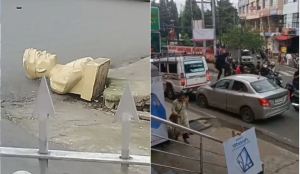
A bike rally by the Khasi Students' Union in Shillong turned violent on Wednesday, with government vehicles torched, dozens more damaged, statues vandalised and several people assaulted. Three top KSU leaders were arrested a day later. Here is what led up to it and what the union wants.
What happened
The KSU organised a black flag bike rally through Shillong as part of its ongoing agitation against the state government. As it moved through areas including Polo, Barik and Mawlai, several vehicles were attacked, including a police escort vehicle and a National Informatics Centre vehicle. At least two government vehicles, including one belonging to the Food Corporation of India at Mawlai, were set on fire. Statues of Swami Vivekananda and Netaji Subhas Chandra Bose at the Relief and Rehabilitation Colony, built for people who migrated from erstwhile East Pakistan in the 1960s, were also vandalised. Several civilians were injured.
Police later arrested KSU president Raymond Kharjana, vice president Pynkmenlang Sanmiet and general secretary Reuben Naijar from a Shillong hotel where they were meeting, booking them under provisions of the Bharatiya Nyaya Sanhita. The union has denied involvement, saying members led the rally peacefully and blaming "outside elements" for the violence.
What led to the rally
The KSU had submitted a five point charter of demands to chief minister Conrad K Sangma on August 4 and given a 15 day ultimatum. It held public meetings across Shillong on August 17 and 18, then called the rally after saying its demands went unaddressed.
What the KSU wants
The immediate trigger is the July 31 public hearing for Shree Cement's proposed limestone mining project at Lum Syrman in East Jaintia Hills, which the union alleges was stage managed. It wants the hearing voided and action against the officials involved.
Other demands include full implementation of the Meghalaya Residents Safety and Security Act with entry point facilitation centres, seen as a step toward an Inner Line Permit system, regulation of migrant workers under the amended Migrant Workmen Act, recruitment reforms at the Meghalaya Public Service Commission and District Selection Committees, and changes to nurse hiring at NEIGRIHMS.
The bottom line
The KSU's demands combine two recurring themes in Khasi Hills politics, control over resources like limestone and anxiety over migrant presence. The Shree Cement hearing became a flashpoint because it touched both. How the state now handles the arrests and the charter will shape what comes next.