
Safe Journeys: New Tech in Indian Buses That Every Passenger Should Know
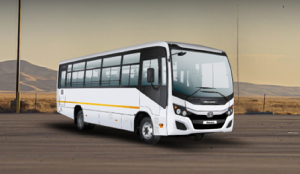
The bus slowed gently as it approached a sharp bend on a two-lane highway on the outskirts of Mumbai. Most passengers remained unaware of the technology working quietly in the background. A warning system had already alerted the driver to a vehicle braking ahead, while sensors monitored lane position and tyre pressure. For the people on board, it felt like an ordinary journey. For fleet operators, it reflected how modern bus safety is becoming less visible to passengers and far more valuable to the businesses that move them.
As passenger expectations rise, safety in commercial buses is no longer limited to stronger braking systems or reinforced body structures. It is becoming an integrated system that protects passengers, supports drivers, and reduces operational risk.
Driver fatigue monitoring
Long-distance routes often place heavy demands on drivers, particularly on overnight services. Intelligent driver monitoring systems can now detect signs of fatigue or distraction and issue alerts before a lapse becomes dangerous. On premium intercity platforms such as the Tata Magna Coach, this technology helps reduce the risk of human error during extended highway operations.
Collision prevention
Intercity buses frequently navigate crowded highways where sudden stops are common. Forward collision warning systems scan traffic ahead and notify the driver when the braking distance narrows. In some cases, these systems can support corrective action. This gives private operators and state transport services an added layer of protection on routes where reaction time can determine passenger safety.
Stability in difficult road conditions
Indian roads can shift quickly from smooth highways to uneven surfaces. Electronic stability systems and anti-lock braking help drivers maintain control during sharp turns or sudden braking. For school transport providers, employee shuttle services, and tourism fleets, these features improve confidence when operating across varied terrain and unpredictable weather.
Smarter tyre management
A tyre issue on a passenger bus can quickly become a safety concern. Tyre pressure monitoring systems now provide real-time alerts when pressure drops below safe levels. This helps operators address problems before they lead to breakdowns, delays, or accidents — particularly on long-haul routes where maintenance support may not be immediately available.
Better oversight for fleet operators
Safety technology is also changing how fleets are managed. Intelligent monitoring allows operators to track vehicle behaviour, braking patterns, and driver performance remotely. This can improve training, lower insurance risks, and help maintain service reliability across corporate mobility, tourism, and public transport networks.
The Magna Coach is the first intercity bus in India to introduce more than 20 ADAS features, combining collision alerts, lane assistance, intelligent monitoring, and proven systems such as ABS, EBS, ESC, and tyre pressure monitoring on a single platform.
As Indian passenger transport evolves, safer buses are becoming more than a comfort — they are becoming the foundation of a more dependable journey for every road ahead.