
Ram Temple Trust to train, certify Hindu priests
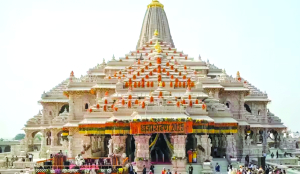
The Shri Ram Janmabhoomi Teerth Kshetra Trust has decided to establish a permanent institute to train and certify priests, known as archaks. The plan, approved on 22 July at a Trust meeting in Ayodhya, will offer formal training in Hindu rituals and give certificates.
Interim general secretary Krishna Mohan and treasurer Govind Dev Giri announced the new plan. Temples in India and Hindu communities overseas are seeking more priests with strong knowledge of scriptures and rituals. Religious leaders and members of the Indian diaspora believe this is a practical way to address the shortage and set a clear standard, since most priests have learned through informal apprenticeships.
At the same meeting, a nine-member committee of respected seers was formed to oversee the Ram temple’s religious affairs. This step follows recent concerns about donation irregularities and shows an effort to improve both spiritual and administrative oversight at the temple.
Mahant Rajkumar Das from Ram Ballabh Kunj said the planned centre will be more than just a training school. He described it as a lasting place for learning and ongoing discussion.
“There is a need for systematically trained archaks in temples, monasteries and major religious institutions across the country, whether dedicated to Goddess Bhagwati, Lord Ram or Lord Krishna,” he said, showing that many now see ritual skills as essential for Hindu institutions as they grow.
Overseas, Hindu communities are now looking for priests who can perform complex ceremonies with skill and authority. Without formal certification, the quality of priests varies a lot.
A Trust-backed program could help close that gap, producing archaks whose credentials are respected from Ayodhya to diaspora centres in the United States, Britain, and Canada and beyond. For the diaspora, this development is especially important. Overseas temples often have trouble finding qualified priests who are willing to move or stay for long periods.
Having a steady supply of certified priests trained to the same standard could help solve this problem and keep traditions alive, even far from India. In India, it would also help new or growing temples that need reliable ritual leaders. The Trust’s decision does not replace traditional priestly education, which has existed for centuries under gurus and in mathas.
The added prestige of being linked to the Ram temple may encourage more young men, and possibly a wider range of candidates over time, to become priests with the confidence that their training will be recognised. Whether the institute will become a national standard remains uncertain. Its success will depend on the curriculum, the quality of teachers, and whether temples accept its certifications.
The announcement has already changed how people view priestly training. Now, skill is not just assumed to come from informal learning. It can be taught, tested, and certified in a dedicated place.
In Ayodhya, where the Ram temple attracts attention from around the world, the Trust is showing that the temple’s spiritual influence reaches far beyond its location.
By supporting the people who lead rituals, the Trust hopes to keep these practices strong for future generations, even for those who may never visit the original temple. If the permanent institute is created as planned, it could become one of the temple’s most lasting contributions in recent times.