
Railway Minister order immediate steps to ensure safe drinking water at stations
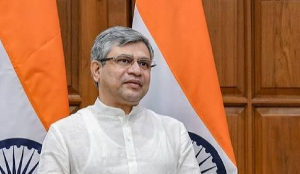
Railway Minister Ashwini Vaishnaw on Sunday, August 16, ordered immediate corrective measures to ensure safe drinking water at railway stations across the country, following a Comptroller and Auditor General (CAG) report that flagged the presence of harmful bacteria, including E. coli, in water coolers at several stations.
Vaishnaw, along with senior officials, conducted a daylong review and ordered several measures, including the installation of water-filtration systems, replacement of water tanks and regular testing of water quality, according to a press note issued by the railway ministry.
PTI had on Saturday, August 15, first reported on the CAG audit of more than 512 stations, which made startling revelations about poor water quality and inadequate passenger amenities.
The CAG found that while the railway ministry had framed several norms for passenger amenities at stations, zones had failed to comply with those norms, leading to widespread deficiencies in services, including the presence of E. coli in drinking water in water coolers and unhygienic conditions in washrooms.
According to the report, test results of drinking water samples collected from platform taps at 49 stations across eight zones during 2022-23, and 56 stations across nine zones during 2023-24, indicated the presence of total coliform bacteria, including E. coli.
Following the deficiencies highlighted in the audit, the Railway Board sprang into action to take corrective measures, the ministry said.
A new "tank-to-tap" water-filtration system will be installed at 20,000 locations, including water coolers, according to the press note. A comprehensive water-filtration-and-monitoring system will also be put in place at approximately 20,000 points across the railway network, it added.
Other measures include replacing water tanks, ensuring strict compliance with regular water quality testing at source and outlet points, setting up centralised monitoring and accountability, and scheduling cleaning and maintenance of storage tanks, the ministry said.
"This is a top priority area and will be monitored directly at the Board level. Progress and water quality reports will be published periodically to ensure transparency," the ministry said.
"This action is part of a larger drive to address all CAG observations and improve the overall travel experience," it added.