
Punjab Police bust cross-border camera spy racket
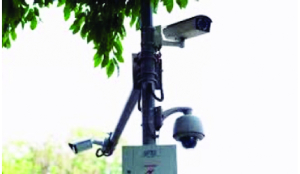
The shoe shop, which was set up on the road between Ludhiana and Ferozepur, appeared completely ordinary. It opened at irregular times, and two Chinese cameras were directed not towards the cash register but at the highway, six kilometres from Baddowal Cantonment. The login IDs and passwords crossed the border, and live images of Army and paramilitary movements were transmitted. This shop is now one element in a bigger scheme.
Over the last six months, the Punjab Police have dealt with five cases in which internet cameras were used for spying. They arrested 22 of the 23 suspects and seized 11 cameras, solar panels, SIM cards, mobile phones, a router, and an adapter. Eight first information reports were filed in Kapurthala, Amritsar, Bathinda, Pathankot, Barnala, and Ludhiana under the Official Secrets Act and the Bharatiya Nyaya Sanhita.
Investigators are now tracking SIM serial numbers, device IDs, cloud logins, and financial transactions. This method is inexpensive, difficult to trace, and easy to deny. Solar-powered 4G cameras that do not require wiring are mounted on poles, shop awnings, and highways. These cameras monitor cantonments, logistics routes, and railway lines. Residents are paid tens of thousands of rupees to install the cameras and provide the login details.
Handlers in Pakistan view the camera feeds through a phone app. If a feed stops working, they send someone to fix the equipment. Payments have increased as their operations have expanded. For example, a recruit from Pathankot to Jammu via NH-44 earned about `40,000 and received instructions from a contact in Dubai. In Kapurthala, an installer was paid `35,000 by a handler known as “Fauji.”
In Ludhiana, Rashpal Singh from Gurdaspur, his uncle Akash, and two men from Amritsar, Varinder Masih and Rohit, reportedly received `3 to 4 lakh over several months, with the money sent through hawala. Recruitment happened through Instagram and with help from a fixer in Punjab, who connected local recruits with ISI desks in Dubai. The cameras themselves show the supply chain: many are banned Chinese internet models that are still being circulated after being smuggled through Delhi markets. Because the servers are abroad, sharing a username is sufficient, and there is no need to carry anything across the border physically.
This issue is not limited to Punjab. A case in March at Delhi Cantonment and Sonipat railway station led to an audit by the Union Home Ministry. In April, Delhi Police seized nine solar-powered cameras from locations in Punjab, Haryana, Rajasthan, and Jammu and Kashmir. These cameras had been sending footage for almost three months as part of a network linked to Babbar Khalsa International. One camera in Bathinda, on the road between Malout and Sriganganagar, operated for months, sending images to people in Pakistan and Canada. Interrogations in Ludhiana showed that the next planned targets were Ferozepur and Rajasthan.
The three men were arrested before they could install the cameras. Police describe this as a post-conflict surge. After last year’s military confrontation, the ISI started using low-cost, ongoing surveillance instead of relying only on human couriers. Hundreds of suspected contacts have been found across the country. Still, the local network includes everyday people such as shopkeepers, cooks, small-time smugglers, and men known in drug or jail circles, who were paid just enough to point a camera at a convoy.
The rest of the investigation is technical. Each seized SIM card and device ID helps trace the next handler, facilitator, or fake shop. Until the entire chain is uncovered, any camera on a Punjab highway remains a mystery.