
BRICS must expand trade in national currencies, build inclusive economic framework: Pezeshkian
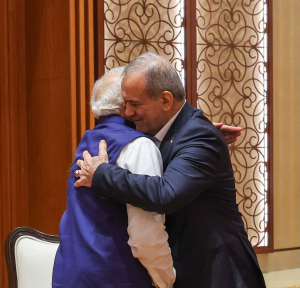
Iranian President Masoud Pezeshkian on Sunday called on BRICS to expand trade in national currencies and work towards a more inclusive global economic framework, saying excessive dependence on existing financial and trade systems had left emerging economies vulnerable to political shocks.
Addressing the concluding session of the two-day BRICS summit, Pezeshkian also criticised "unilateral sanctions", saying they directly affected global food security and people's welfare.
His remarks came weeks after the US imposed fresh economic sanctions on Iran, further tightening pressure on Tehran's finances amid ongoing military hostilities between the two sides.
Pezeshkian said BRICS had evolved beyond a framework for cooperation among emerging economies and reflected a growing demand for a more balanced and inclusive global order in which "no centre of power has the right to determine the destiny of others".
He said the grouping should play a greater role in building a balanced, inclusive and just international order, with resilience, cooperation and sustainability translated into practical measures.
The Iranian president said economic resilience could not be sustained without security, referring to what he described as military aggression by the US and Israel against Iran.
He said attacks on Iran's economic, energy and development infrastructure could have consequences beyond its borders and create wider regional and global repercussions.
Pezeshkian said Iranian civilians had been killed and infrastructure built over decades damaged, adding that the international community had a responsibility to protect civilians and prevent the "normalisation of attacks on civilian targets".
He thanked India, its people and Prime Minister Narendra Modi for hosting the summit, saying its theme of "Resilience, Cooperation and Sustainability" reflected fundamental global needs at a time when the destinies of countries were increasingly interconnected.
The international community, he said, should not only manage existing crises but also build systems that strengthen countries against future shocks and create a fairer global order.
On economic challenges, Pezeshkian said excessive reliance on a limited number of financial and trade systems had increased the vulnerability of economies to political shocks.
"Unilateral sanctions directly affect food security and people's welfare," he said, advocating greater trade in national currencies and a stronger role for the New Development Bank in enhancing the economic resilience of BRICS members.
Pezeshkian also referred to the situation in Gaza and Lebanon, saying people in the region continued to face the consequences of "crimes and genocide".
He called on BRICS to play a more effective role in defending national sovereignty, territorial integrity and the prohibition of the use of force.
Saying no country could tackle global challenges on its own, Pezeshkian called for the capacities of the Global South to be transformed into shared capabilities.
He highlighted Iran's geographical position as well as its energy and transit potential, saying these could contribute to developing trade and energy corridors among BRICS members.
On sustainability, Pezeshkian warned that development that widens inequality or shifts today's costs to future generations could not be considered sustainable.
He also drew attention to the environmental impact of wars, saying damage to energy and industrial infrastructure could affect natural resources beyond the immediate economic losses.
Pezeshkian identified knowledge and innovation as important elements of the BRICS agenda and said artificial intelligence and emerging technologies should empower nations rather than become instruments of domination.
Reaffirming Iran's readiness to contribute its capabilities to BRICS cooperation, he said resilience required sustained cooperation, while cooperation required justice and sustainability was impossible without peace and security.
"Let us turn BRICS into a platform for translating these principles into practical action," he said, describing a future in which growth, security and development are possible for all as a shared responsibility towards future generations.