
Only 50% of India’s STPs meet 2015 norms: Par panel
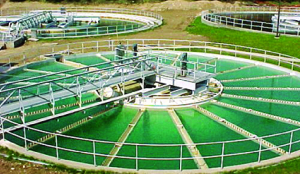
Only 50 per cent of 1,044 sewage treatment plants (STPs) comply with the discharge standards notified in 2015 and merely 15 per cent meet the stricter standards prescribed in 2019, according to a parliamentary committee’s report tabled in the Lok Sabha on Tuesday.
The report referred to the Ministry of Housing and Urban Affairs’ (MoHUA) submission before the Standing Committee on Housing and Urban Affairs chaired by Magunta Sreenivasulu Reddy during its sitting held on March 24 this year.
Reddy presented in the Lok Sabha the Tenth Report of the Committee on the subject “Review of Sewerage and Septage Coverage in cities with special reference to interventions under AMRUT & AMRUT 2.0” pertaining to the Department of Urban Development, MoHUA.
Responding to the Committee’s query on the low compliance levels, the ministry said it had commissioned a third-party survey to carry out a ground-level assessment of sewage treatment plants across the country.
According to the MoHUA, the survey team visited 1,044 STPs with a total installed capacity of around 27,974 million litres per day (MLD). The operational capacity of these plants was around 24,000 MLD.
According to the panel’s report, the ministry said samples of treated water were collected to examine whether the plants were meeting the prescribed parameters relating to biochemical oxygen demand (BOD), chemical oxygen demand (COD) and faecal contamination.
“The team visited 1,044 plants... What we found was very interesting. Only 50 per cent of the STPs were complying with the CPCB (Central Pollution Control Board) standards of 2015. And if we see the NGT standards, it was only 15 per cent.
“The NGT standards are very stringent standards. It is like even better than drinking water,” the ministry told the Committee.
It said the standards prescribed by the National Green Tribunal (NGT) were “very stringent” and complying with them would substantially increase the cost of treatment.
The ministry told the panel that it was redefining the standards in line with the CPCB norms, describing them as more practical to implement.
It also informed the Committee that unless the water is going into the river, the ministry wants further treatment, adding that adopting the NGT standards across the board would be “very, very high” in cost.
The ministry further told the Committee that a panel has been constituted under the Central Public Health and Environmental Engineering Organisation (CPHEEO), comprising experts and stakeholders, for revision of the standards.
In the report, the parliamentary panel said that in view of the growing sanitation challenges arising from rapid urban expansion into peri-urban and informal settlements including slums and the risk of fragmented planning and unequal access to sanitation services, the ministry should ensure their systematic integration into urban sanitation planning through GIS-based mapping, time-bound inclusive sanitation action plans and model guidelines for extending appropriate sewerage and onsite sanitation services, support.