
NIA nabs West Bengal blast accused
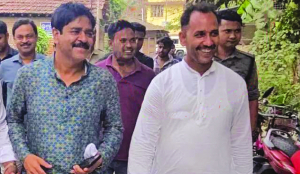
The National Investigation Agency (NIA) has arrested Ahidul Islam Molla, identified as a key co-conspirator and prime accused in the March 2026 bomb explosion case in West Bengal’s South 24 Parganas district. Molla’s arrest comes weeks after a late-night blast in Dakshin Bamunia village in the Bhangar area left one person dead and three others seriously injured during the alleged manufacturing of crude bombs.
“Ahidul Islam Molla, resident of the Bijoyganj Bazar area, was detained following a detailed investigation into his role in the conspiracy. His arrest marks a major breakthrough”, NIA sources said. As West Bengal gears up for polls, the NIA’s intervention signals Centre’s scrutiny of State-level violence.
It may be recalled that this incident had occurred on the intervening night of around March 18-19, 2026, in an abandoned house in Chaltaberia under Bijayganj Bazar Police Station. A series of explosions reportedly four bombs detonating simultaneously rocked the site as crude bombs were being assembled. The blast was powerful enough to be heard across nearby localities, sparking panic. Moshiur Qazi, allegedly a local Trinamool Congress (TMC) booth president from nearby Deganga was killed in the blast while three others sustained serious injuries in the mishap.
His charred body recovered from the spot, was allegedly transported 10-12 km away and dumped near a fish farm in Haroa, North 24 Parganas district.
West Bengal Police had arrested an ambulance driver identified as Sanjay Mandal for disposing off the charred remains in an obvious bid to conceal the incident.
The case quickly took a political turn in violence-prone Bhangar, a constituency long marred by rivalry between the ruling TMC and the Indian Secular Front (ISF). ISF leaders, including panchayat member Abul Khair Molla and Bhangar MLA Nawsad Siddique were quick to put the blame on TMC workers for stockpiling explosives with outside help for voter intimidation ahead of the April 2026 West Bengal Assembly elections. Fearing escalation, district authorities have urged calm but residents remain on edge amid fears of retaliation.
ISF leaders alleged that the blast occurred while TMC-affiliated individuals handled bomb-making materials for attacking ISF workers. However, TMC denied the charges outright but the party is yet to officially confirm Qazi’s affiliation.
State police initially investigated the incident, collected samples from the blast site and arrested one individual. However, suspicions of a deeper conspiracy, echoing the 2022 Bhupatinagar bomb blast case, prompted the NIA to take over. The central agency registered an FIR, citing the inter-district body disposal and the organized nature of bomb manufacturing as indicators of a larger plot to spread terror or influence local politics. NIA investigators suspect the explosives were being prepared for electoral violence, a recurring concern in rural Bengal where crude bombs are frequently recovered before polls.
Described as a local TMC leader, Molla is accused of orchestrating the operation. One other accused had already been detained by state police. The NIA is expected to present evidence before a special court, with further arrests possible as the probe expands to uncover supply chains and political linkages.
Interestingly, Bhangar in South 24 Parganas has a documented history of crude bomb explosions tied to political turf wars, often surfacing before elections.
This case not only highlights the human cost with one life lost, three families scarred, it also signals the urgent need to dismantle networks manufacturing improvised explosives in a sensitive border state. With Molla in custody, NIA aims to unravel the full conspiracy as to how political rivalry fuels underground bomb factories in the region.