
NGT orders replacement of dead saplings and tighter waste control in Bhopal
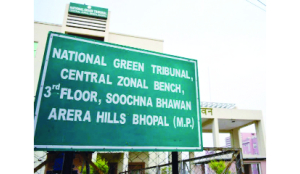
National Green Tribunal’s (NGT) Central Zone Bench in Bhopal has directed authorities to replace all saplings that died during compensatory plantation undertaken over the past five years and ensure 100% survival of the new plantations.
The direction came during the hearing of a petition filed by Nitin Saxena concerning tree felling and compensatory plantations linked to development projects in Bhopal. The bench, comprising judicial member Justice Shyo Kumar Singh and expert member Sudhir Kumar Chaturvedi, expressed serious concern over the extremely low survival rate reported by the Bhopal Municipal Corporation (BMC) and the Forest Department’s Environmental Forestry Division. The tribunal observed that compensatory plantation is intended to offset the environmental impact of trees felled for development works. However, the death of planted saplings due to inadequate maintenance defeats the purpose and results in environmental loss.
The NGT directed the authorities to immediately replace saplings that have died over the last five years and ensure regular watering and protection until the plants are fully established. It also sought details of the average height and girth of saplings planted during the period, rejecting reliance solely on plantation figures recorded on paper.
The tribunal has sought site-wise photographs of 10,000 trees planted along roadsides and medians and 70,000 trees on land allotted by the Bhopal Collector in Huzur tehsil. The Principal Chief Conservator of Forests and Madhya Pradesh Pollution Control Board have been given 30 days to submit the required information.
In a separate matter, the NGT issued directions for stricter management of biomedical waste in Bhopal. The case involved alleged dumping and burning of expired medicines, medicine strips, syrup bottles and injection vials at an open site in Rani Avantibai Transport Nagar behind the RTO premises. A joint committee reported that the waste had been removed and handed over to an authorised Common Biomedical Waste Treatment Facility (CBWTF). The facility confirmed receiving 5.2 kg of expired medicines, which were disposed of through incineration. A subsequent inspection on August 27 found the site clear of biomedical waste and related residues. The tribunal directed that biomedical waste transport vehicles have GPS-based online real-time tracking, separate cabins for staff and colour-coded waste containers, leak-proof waste compartments and bio-hazard markings.
The NGT directed that biomedical waste must be collected, transported and treated within 48 hours of generation. The MPPCB was asked to ensure that healthcare establishments have the required authorisations and memberships of authorised CBWTFs and take action against violators.
The municipal corporation was also directed to strengthen source-level segregation and separate collection of household healthcare waste and ensure its regular handover to authorised facilities. It was asked to prevent mixing, unauthorised disposal and open burning or dumping of waste. The next hearing in the tree plantation matter has been scheduled for October 6. Advocate Harpreet Singh Gupta represented Saxena.