
Meta faces another major trial over alleged harm to children
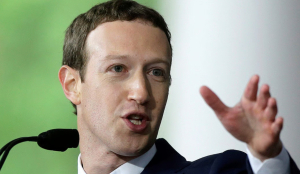
Meta is facing another high-stakes court battle over allegations that Facebook and Instagram were deliberately designed to keep children hooked, as lawsuits accusing major social media companies of harming young users continue to mount across the US.
In a federal trial beginning Tuesday in Oakland, California, the parent company of Instagram and Facebook is defending itself against claims that its platforms have contributed to the youth mental health crisis by designing features that encourage children to become addicted.
The case is one of several lawsuits being heard across the US involving Meta, TikTok, Snapchat and YouTube. The companies are facing allegations that their platforms have harmed children's mental health or otherwise put young users at risk. The trials could eventually lead to changes in how the platforms are designed and operated.
For Meta, which has already lost two significant cases involving alleged harms to children and teenagers this year, the stakes are particularly high. The company reported a rare decline in profits last month, partly due to USD 2.4 billion in legal expenses.
Meta said evidence presented at the upcoming trial will demonstrate its commitment to supporting young people.
“We've listened to parents, worked with experts and law enforcement, and conducted in-depth research to understand the issues that matter most,” the company said in a statement.
Here is a look at some of the biggest cases involving social media companies.
California, Colorado, Kentucky and New Jersey's joint case
The trial beginning Tuesday in California involves four states — California, Colorado, Kentucky and New Jersey — as plaintiffs.
They were among dozens of states that filed a lawsuit three years ago alleging that Meta's platform design features have contributed to harm among children using Facebook and Instagram. The remaining 25 states are expected to have their own trials later.
The states are seeking substantial financial damages that could, in theory, total billions of dollars, as well as changes to the way Meta operates Facebook and Instagram. If Meta loses the trial, the court would have broad discretion in determining the size of any financial penalty.
Meta has denied the allegations.
New Mexico case results in hefty fine, changes to Meta platforms
New Mexico sued Meta, alleging that the company knowingly harmed children's mental health and concealed information about what it knew regarding child sexual exploitation on its platforms.
A jury sided with the state in March, finding thousands of violations, with each violation counting separately toward a penalty of USD 375 million. The amount was less than one-fifth of what prosecutors had sought.
In early August, a judge ordered Meta to pay an additional USD 567 million to address harms to young people caused by its platforms during the second phase of the trial. The judge also ordered new safety measures, including a limit of 90 hours of use per month for users under 18, restrictions on AI chatbots and mandatory warnings on the platforms.
Meta has said it disagrees with the verdict and plans to appeal.
Tennessee argues Instagram harms children's mental health
The Tennessee Attorney General's Office was part of the multistate investigation into social media companies that led to the 2023 lawsuit against Meta by dozens of states. Tennessee, however, chose to file a separate case in its own state court.
Attorneys delivered opening statements in the case in late July, and the trial is expected to continue until early September, according to The Tennessean.
“Targeting kids with a harmful product and lying about its safety violates the Tennessee Consumer Protection Act. Meta knows every last design decision that made Instagram addictive to kids and that means it knows exactly how to fix the problem,” Tennessee Attorney General Jonathan Skrmetti said when the lawsuit was filed three years ago.
“We're suing to make the company fix the problem,” he said.
Los Angeles jury found Meta, YouTube liable for harms
Earlier this year, a jury found Meta and YouTube liable in a landmark case centred on social media addiction and allegations that the companies designed their platforms to hook young users without adequately considering their well-being.
The plaintiff, identified by her initials KGM, testified that she became addicted to social media as a child and that it worsened her mental health struggles.
After more than 40 hours of deliberations, a majority of jurors agreed with her claims and awarded USD 6 million in total damages.
It was the first case of its kind and was selected as a bellwether trial — a test case intended to show both sides how their arguments might fare before a jury. The outcome could influence the handling of similar lawsuits.
TikTok and Snapchat were named as defendants but settled before the trial began. Meta and YouTube have both appealed the verdict.
School districts across US sue social media companies
Hundreds of school districts across the US have sued major social media companies, seeking compensation for costs they say they incurred while dealing with the effects of social media addiction on children's mental health.
A lawsuit brought by a small rural school district in Kentucky was scheduled to go to trial this summer in federal court in California. However, Meta, TikTok, Snap and YouTube each reached settlements before the trial began.
The Kentucky case was also selected as a bellwether from among 1,200 similar lawsuits. The plaintiffs' attorneys said their “focus remains on pursuing justice for the remaining 1,200 school districts who have filed cases.”
Individual plaintiffs file similar lawsuits
The Los Angeles trial was the first of its kind, but thousands of similar lawsuits have been filed by individuals against social media companies.
Many plaintiffs allege that platform design features encouraged addiction, which contributed to adverse mental health outcomes. Other lawsuits involve different harms that families say resulted from young people's use of social media.
Some cases have been filed by families of children and young adults who died by suicide following problematic social media use. Others involve families whose children died from accidental overdoses after drugs were allegedly purchased through social media platforms.