
Marvels of India - GRANARIES OF SINDHU-SARASWATI CIVILISATION
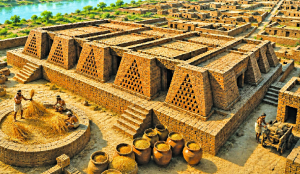
At sites such as Harappa, Mohenjo-daro, Lothal and Rakhigarhi, archaeologists have found massive storage structures associated with surplus grain management and organised civic life. Their historical evidence shows that production exceeded immediate consumption, allowing communities to store grain against drought, floods or seasonal shortages.
Engineered for Stocking and Preservation
Large brick platforms at Harappa and Mohenjo-daro were built with raised floors and strategically placed triangular air ducts, likely to keep stored grain dry and ventilated, away from moisture and pests. They possessed the capacity to store substantial quantities of grain.
Harappa Granaries
The granaries at Harappa are massive brick structures near the Ravi River. Archaeologists believe they were storage facilities because traces of wheat, barley and chaff were discovered in the crevices of the nearby circular brick platforms, indicating they were used for threshing grains. The "Great Granary" in the excavated Mound F is vast, measuring over 45 by 45 meters.
Urban Planning and Surplus Management
Their citadel-mound placement near rivers, alongside sophisticated drainage and grid-planned cities, reflects deliberate civic organisation aimed at managing agricultural surplus to ensure a stable, year-round food supply.