
India bakes at 47.6°C as Heatwave intensifies; IMD explains causes
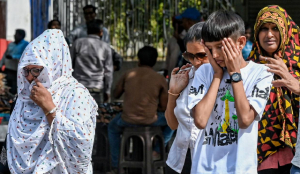
Large parts of India are experiencing an intense heatwave with temperatures rising far above seasonal averages, pushing several regions into severe heat stress conditions.
According to weather data, Delhi recorded temperatures between 42°C and 44°C, while Ahmedabad, Nagpur, Jaipur and Lucknow also saw mercury levels ranging between 40°C and 43°C. The most extreme reading was reported from Banda in Uttar Pradesh, where temperatures touched 47.6°C for the second consecutive day.
Several other regions across central and western India, including parts of Vidarbha in Maharashtra, also continued to experience similarly harsh conditions. Even southern cities such as Hyderabad and Chennai recorded highs in the mid-to-high 30s, while coastal Mumbai remained humid but relatively cooler. Kolkata also saw temperatures in the high 30s.
Heatwave conditions persist
The India Meteorological Department (IMD) has warned that heatwave to severe heatwave conditions are likely to continue across large parts of northwest and central India. Temperatures in some areas may again cross 45°C in the coming days before any significant relief from western disturbances or thunderstorms.
Why India is facing extreme heat
Experts say the ongoing heatwave is driven by a combination of seasonal and environmental factors. The pre-monsoon months of April and May typically bring extreme heat due to strong solar radiation and dry continental winds from Rajasthan and adjoining regions.
However, the intensity of the current heatwave has been amplified by multiple additional factors:
- Urban Heat Island Effect: Cities trap more heat due to concrete, asphalt, and reduced green cover, making urban temperatures significantly higher than surrounding rural areas.
- Low Pre-Monsoon Rainfall: Reduced rainfall and dry skies have prevented cooling.
- Stalled Weather Systems: Weak atmospheric circulation is limiting the inflow of cooler air.
- Climate Change: Rising global temperatures are increasing baseline heat levels, intensifying extreme weather events.
El Niño influence
Meteorological experts also point to developing El Niño conditions in the Pacific Ocean, which are known to influence global weather patterns. El Niño phases typically lead to warmer conditions and can disrupt monsoon rainfall patterns in India.
The IMD has indicated that there is a high probability of El Niño development between May and August, which may further impact seasonal weather trends.
Monsoon outlook
The IMD has also warned that India’s 2026 southwest monsoon could be slightly below normal, estimating rainfall at around 92–95% of the long-period average. This raises concerns about agriculture, water availability and heat persistence.
Health advisories issued
Authorities and health experts have urged citizens to take precautions during the ongoing heatwave. Recommendations include:
- Staying hydrated
- Avoiding outdoor exposure during peak afternoon hours
- Wearing light and breathable clothing
- Monitoring symptoms of heatstroke such as dizziness, nausea, and dehydration
Hospitals and emergency services have also been advised to remain prepared for a rise in heat-related illnesses as temperatures continue to remain high.
The IMD expects only intermittent relief in parts of the country through local thunderstorms and western disturbances, but widespread cooling is unlikely in the immediate term.
Until then, large parts of India are expected to remain under prolonged heat stress, with severe implications for health, energy demand, and daily life.