
Sriram Raghavan, Imtiaz Ali, Pankaj Tripathi among stars at IFFJK
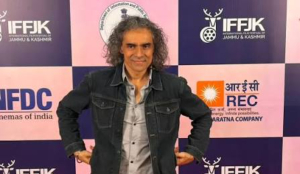
Filmmakers and artistes including Vidhu Vinod Chopra, Sriram Raghavan, Imtiaz Ali and Pankaj Tripathi attended the inaugural International Film Festival of Jammu and Kashmir (IFFJK) as the maiden edition entered its second day on Tuesday.
The day's highlights included a masterclass by Raghavan, known for thrillers such as “Ek Haseena Thi”, “Andhadhun” and “Badlapur”, besides the upcoming war drama “Ikkis”.
Several other prominent names from the film industry also attended the festival, including producer-director Ramesh Sippy, Fatima Sana Sheikh and Taha Shah Badussha. Playback singers Sunidhi Chauhan, Usha Uthup and Palak Muchhal were also present.
Celebrated cinematographer Santosh Sivan, sound designer Baylon Fonseca and cinematographer Anil Mehta were among the other artistes who attended the movie gala.
The festival was inaugurated by Jammu and Kashmir Chief Minister Omar Abdullah on Monday evening. On Tuesday, 70 films, including shorts and documentaries, were screened at different venues.
“Laila Majnu” and “Mirzapur: The Movie” were screened at INOX, while Raghavan's “Ikkis” was screened at both INOX and Waves Cinema Jammu.
The festival's international line-up featured films from several countries, including Malaysia's “The Last Rites”, Iran's “Sudden Rise” and “And the God who is close”, Portuguese filmmaker Sofia Bost's acclaimed “Stone Beach”, and Indonesia's “Tugas Sedih Yang Panjang” and “The Stiff Fingers”.
Other international titles included “Somos Agua” from Mexico, “Simsim” from Jordan, “To the West, in Zapata” from Cuba and “Family Party” from Belgium, among others.
The festival also featured a special screening of the 1965 romantic drama “Arzoo”, starring Rajendra Kumar, Sadhana and Feroz Khan, at the floating cinema on the famous Dal Lake here on Tuesday evening.
A substantial portion of the film, which was a major musical hit of its time, was shot in Kashmir. Its popular songs include “Chhalke Teri Aankhon Se”, “Aji Rooth Kar”, “Bedardi Balma” and “Ae Nargis-e-mastana”.