
How local Uttarakhand tour operators are transforming the Char Dham Yatra experience
The Changing Face of the Char Dham Yatra
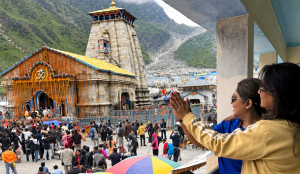
Over the last decade, the Char Dham Yatra has undergone a remarkable transformation. What was once considered a physically demanding pilgrimage undertaken by a limited number of devotees has evolved into one of India's largest annual spiritual journeys. Every year, lakhs of pilgrims from across the country travel to the sacred shrines of Yamunotri, Gangotri, Kedarnath, and Badrinath, seeking not only divine blessings but also a well-organized and comfortable travel experience.
The devastating floods of 2013 marked a turning point for Uttarakhand. In the years that followed, both the Central and Uttarakhand governments invested heavily in rebuilding infrastructure, strengthening disaster management systems, and improving connectivity across the pilgrimage route. Since then, the number of pilgrims has grown consistently almost every season. According to official government figures, the Char Dham Yatra has witnessed record-breaking participation in recent years, with annual pilgrim registrations crossing several million. This steady rise reflects not only the enduring faith of devotees but also increasing confidence in the state's improved travel infrastructure.
One of the biggest reasons behind this growth is the continuous development taking place across the Char Dham circuit. Road connectivity has improved significantly, with several stretches being widened and upgraded to provide safer and smoother travel through the Himalayan region. While mountain roads still require careful driving, many key sections are now far more accessible than they were a decade ago. These improvements have reduced travel fatigue and made the journey more convenient for families, senior citizens, and first-time visitors.
Air connectivity has also enhanced the overall pilgrimage experience. Today, devotees have multiple options depending on their preferences and budget. Premium charter helicopter services allow travellers to complete the pilgrimage in a shorter time, while regular helicopter shuttle services for Kedarnath have become a practical choice for elderly pilgrims and those unable to undertake the demanding trek. At the same time, online registration systems, digital travel updates, and better administrative coordination have made planning the pilgrimage considerably easier than in previous years.
Accommodation infrastructure has expanded alongside the growing number of visitors. New hotels, guest houses, homestays, and improved facilities continue to emerge along the Char Dham route, offering pilgrims a wider range of stay options than ever before. Restaurants, medical facilities, transport services, and other tourism-related businesses have also grown steadily, supporting the increasing demand during the pilgrimage season.
However, as the pilgrimage has become more accessible, travellers' expectations have also evolved. Most pilgrims today are not simply looking to complete the yatra—they want a journey that is safe, well-planned, transparent, and comfortable. This is especially true for visitors travelling from metropolitan cities and distant states, many of whom spend a significant amount on flights or train tickets before even reaching Haridwar, Rishikesh, or Dehradun, the primary starting points for the Chardham Yatra Package.
For these travellers, the pilgrimage is a once-in-a-lifetime spiritual experience. A standard Char Dham itinerary generally spans around ten days, involving accommodation, daily transportation through mountain roads, meals, temple visits, and careful time management. Many devotees also choose services such as helicopter travel to Kedarnath, pony or palki facilities for difficult trekking sections, and special darshan arrangements based on their age, health, or personal preferences. Since they are already investing substantial time and money into the journey, they increasingly prefer professional planning that minimises uncertainty and allows them to focus on the spiritual aspect of the pilgrimage.
Another important factor is the unique nature of Himalayan travel. Unlike driving on city highways, mountain routes demand experience, patience, and local knowledge. Weather conditions can change rapidly, traffic regulations vary during the pilgrimage season, and temporary road restrictions are not uncommon. Pilgrims who are unfamiliar with these conditions often find it more practical to choose organised tour packages rather than planning every aspect independently.
As a result, the modern Uttarakhand pilgrimage is no longer defined solely by faith. It is increasingly shaped by thoughtful planning, improved infrastructure, professional travel management, and the growing expectation that one of India's most sacred journeys should also be a safe, seamless, and memorable experience.
Why Local Uttarakhand Tour Operators Make a Difference
While improved roads, better infrastructure, and modern travel facilities have made the Char Dham Yatra more accessible than ever before, one factor continues to play a crucial role in ensuring a smooth pilgrimage experience—local expertise. Travelling through the Himalayas is very different from travelling on highways or within cities. Every pilgrimage season brings its own challenges, and understanding the mountains often comes only with years of on-ground experience.
Local Uttarakhand tour operators possess a distinct advantage because the Char Dham routes are not just destinations they sell—they are routes they travel regularly throughout the pilgrimage season. Their teams remain connected with hotel owners, transport providers, local authorities, and drivers across different regions, enabling them to receive real-time updates about weather conditions, traffic congestion, road diversions, or temporary restrictions, often well before such information becomes widely available through news portals or social media.
This local network becomes especially valuable during the peak pilgrimage months of May and June, when lakhs of devotees visit Kedarnath, Badrinath, Gangotri, and Yamunotri. Heavy traffic near major towns, long waiting times, and temporary diversions are common. During the monsoon months, changing weather conditions, landslides, and occasional road blockages can also affect travel plans. Operators with deep regional knowledge are generally better equipped to adjust schedules, modify travel timings where necessary, and help pilgrims continue their journey with minimal disruption.
Planning a Char Dham Tour Package is therefore not simply about booking hotels and arranging transportation. A realistic itinerary takes into account driving hours on mountain roads, temple timings, expected traffic, weather forecasts, altitude, and the physical comfort of travellers. Experienced local planners understand where sufficient rest is needed, which stretches require early departures, and how seasonal conditions can influence the overall journey. This practical understanding helps create itineraries that are both efficient and comfortable rather than overly ambitious.
Another important aspect is the role of experienced local drivers. Driving in the Himalayan region requires patience, skill, and familiarity with constantly changing mountain conditions. Although road infrastructure has improved significantly in recent years, certain high-altitude sections still demand careful driving. Local drivers are familiar with steep gradients, sharp bends, changing weather, and seasonal traffic patterns. They also maintain strong communication with other drivers operating on the route, allowing them to exchange information about congestion, road conditions, diversions, or alternative routes whenever required. Beyond their driving skills, the hospitality of Uttarakhand's people is widely appreciated by visitors, and many local drivers contribute positively to the overall pilgrimage experience through their helpful and courteous approach.
Strong local coordination also proves valuable during unexpected situations. Whether a pilgrim requires assistance in finding accommodation during peak demand, needs guidance regarding medical facilities, or faces a sudden change in travel plans, established local operators can often respond more efficiently because of their relationships with hotels, transport providers, and service partners across the Char Dham circuit. This local support becomes particularly reassuring for senior citizens, families, and first-time visitors who may not be familiar with the region.
Weather remains one of the most unpredictable elements of Himalayan travel. Conditions can change within hours, and travel advisories may be updated frequently during the pilgrimage season. Operators who have worked in Uttarakhand for many years develop a practical understanding of seasonal weather patterns and the operational realities of different routes. While no one can control mountain weather, experience often helps in making timely decisions that prioritise both safety and the continuity of the journey.
This is one of the key differences between an experienced local tour operator and a business that primarily resells travel packages from another location. Companies with a genuine presence in Uttarakhand generally have stronger regional connections, first-hand operational experience, and teams that work throughout the pilgrimage season on the ground. These practical advantages often become most valuable when travellers need quick decisions, reliable information, or immediate local assistance.
Among the Uttarakhand-based travel companies working in this space, Travelophila has focused on offering professionally managed Char Dham Tour Packages and Do Dham Yatra Package with local drivers, carefully selected accommodations, and practical itineraries designed around real mountain travel conditions. By combining local knowledge with on-ground support across the pilgrimage route, such operators reflect how regional expertise continues to shape the modern Char Dham Yatra experience for thousands of pilgrims each year.
The Future of Pilgrimage Tourism in Uttarakhand
As the Char Dham Yatra continues to welcome a record number of pilgrims every year, pilgrimage tourism in Uttarakhand is steadily becoming more organised, technology-driven, and traveller-focused. Improved infrastructure, digital registration systems, better connectivity, and enhanced tourism facilities have transformed the way people plan one of India's most sacred journeys. The focus is no longer limited to reaching the temples—it is equally about ensuring that the entire pilgrimage is safe, comfortable, and well managed.
Modern pilgrims are also travelling with different expectations than they did a decade ago. For most visitors, a Char Dham pilgrimage represents a significant investment of both time and money. Many devotees travel from distant parts of India, spending on flights or train journeys before reaching Haridwar, Rishikesh, or Dehradun, followed by nearly ten days of travel through the Himalayan region. For many families, senior citizens, and first-time visitors, this may be a once-in-a-lifetime spiritual journey. Naturally, they expect reliable planning, transparent pricing, quality accommodation, experienced drivers, and dependable on-ground assistance throughout their trip.
The digital era has further changed how travellers prepare for the pilgrimage. Before making a booking, many pilgrims now research destinations in detail. They compare itineraries, study hotel options, read reviews, understand trekking requirements for Kedarnath and Yamunotri, check weather conditions, and explore nearby attractions that can be included in their journey. This shift has encouraged travel companies to become more transparent, informative, and service-oriented, allowing pilgrims to make well-informed decisions before beginning their yatra.
At the same time, the value of local expertise has become even more evident. Himalayan travel is dynamic, and road conditions, weather, traffic movement, and administrative advisories can change quickly during the pilgrimage season. Operators with an established local presence are often better positioned to guide travellers regarding suitable departure timings, route planning, accommodation choices, and practical decisions that contribute to a smoother journey. While no operator can eliminate every unforeseen challenge in the mountains, experienced local planning can significantly reduce inconvenience and help pilgrims travel with greater confidence.
Looking ahead, the future of Uttarakhand's pilgrimage tourism is likely to be shaped by responsible tourism, better infrastructure, digital innovation, and the continued importance of local knowledge. As more people choose professionally planned journeys, the emphasis will increasingly be on providing personalised experiences without compromising the spiritual essence of the pilgrimage.
For travellers planning their upcoming yatra, exploring well-structured Char Dham Tour Packages can provide a better understanding of route planning, accommodation options, transportation, and the overall pilgrimage experience. Likewise, choosing an experienced Uttarakhand-based company such as Travelophila, with its strong local presence and on-ground operational network, can help pilgrims benefit from regional expertise, practical guidance, and organised travel support throughout the Char Dham circuit.
Ultimately, the success of the modern Char Dham Yatra lies in finding the right balance between faith, preparation, and local knowledge. As Uttarakhand continues to strengthen its position as one of India's most important spiritual destinations, thoughtful planning and experienced local support will remain key factors in making this sacred journey safer, smoother, and more meaningful for future generations of pilgrims.