
Growing older, living better: Role of yoga in healthy ageing
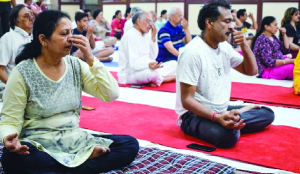
Living a better life is not merely our wish — it is our right. While ageing naturally brings changes to the body and mind, Yoga and Swasthavritta can help us maintain our well-being, preserve our independence, and lead active, healthy, and dignified lives.
Ageing is an inevitable process, but how we age is shaped by the choices we make throughout our lives. With the increasing life expectancy across the world, the focus has now shifted from merely extending lifespan to enduring the idea of healthy living. Leading up to the same, the theme of the International Day of Yoga 2026 — “Yoga for Healthy Ageing” — highlights the role of Yoga in promoting physical resilience, mental well-being, and graceful ageing.
Yoga has been an integral part of India’s cultural heritage for centuries. Following India’s proposal at the United Nations, the world began celebrating the International Day of Yoga in 2015. Since then, millions across the globe have embraced Yoga as a holistic approach to enhancing physical, mental, and emotional well-being.
As life expectancy increases, ensuring that older adults remain independent, active, and socially engaged has become a health imperative.
With India being home to one of the world’s largest young populations, it is important to adopt healthy lifestyle practices early in life to delay the onset of age-related illness. The World Health Organization defines healthy ageing as the process of developing and maintaining the functional ability that enables well-being in older age.
Classical Ayurveda texts acknowledge ageing as a natural process that cannot be prevented. As stated in the Sharangadhara Samhita-
Ayurveda describes ageing (Jara) as a Swabhav Vikara- a natural phenomenon of life. It distinguishes between Kalaja Jara, the timely and physiological ageing process, and the Akalaja Jara, premature ageing resulting from improper diet, sedentary lifestyle, chronic stress, and other lifestyle factors.
While ageing is inevitable, premature ageing is modifiable through healthy lifestyle practices, with Yoga serving as one of the most accessible tools for promoting longevity.
Advancing age is often accompanied by several health challenges like insomnia, constipation, indigestion, arthritis, and hypertension, and gradually these diseases tend to worsen with age. To effectively deal with these issues, one needs to integrate Yogic practices into their lifestyle. Neuroimaging studies indicate that Chanting “Om ” influences brain regions involved in emotional processing. It stimulates the attention-regulating networks in the prefrontal cortex. Also, its calming effect deactivates the anterior cingulate cortex while the anterior cerebral cortex shows activation patterns.
Advancing age is often accompanied by sarcopenia, characterised by a progressive decline in muscle mass and strength, alongside degenerative conditions such as osteoarthritis. Regular Yoga can improve flexibility, preserve muscle function, strengthen supporting structures around joints, and enhance balance, thereby reducing the risk of falls and functional dependence.
Chronic stress contributes significantly to hypertension through sustained activation of stress pathways. Practices such as Bhramari and Anulom-Vilom Pranayama may promote relaxation and autonomic balance, supporting healthy blood pressure regulation as part of a comprehensive lifestyle approach.
Constipation and digestive health discomfort are common concerns in older adults.
Certain Yoga postures, such as Vajrasana, Padahastasana, Paschimottanasana and Ardha Matsyendrasana, involve gentle compression and the release of the abdominal region, which may promote digestive comfort, support bowel regularity, and contribute to gastrointestinal well-being. Reduced stress and improved autonomic regulation associated with Yoga may further support healthy gut function.
Sleep disturbances frequently accompany ageing and can adversely affect cognition, mood, and overall quality of life. Meditation and Pranayama practices may help reduce stress and improve sleep quality. Emerging evidence also suggests that Yoga may support attention, emotional regulation, and memory functions.
Women undergoing menopausal transition may experience hot flashes, sleep disturbances, mood changes, and reduced quality of life. Evidence suggests that Yoga-based interventions may help alleviate some menopausal symptoms and improve psychological well-being during this phase.
Yoga may also serve as an important adjunct in the management of non-communicable diseases such as diabetes and hypertension, conditions that become increasingly prevalent with age.
Although genetic disposition influences disease risk, lifestyle practices, including Yoga have been shown to positively affect pathways associated with stress regulation and inflammation, highlighting the potential of behavioural interventions in promoting healthy ageing.
Healthy ageing extends beyond isolated exercise sessions.
Ayurveda advocates Swasthavritta, a preventive lifestyle approach encompassing Dinacharya (Daily routine), Ritucharya (seasonal adaptation), balanced nutrition, adequate sleep, physical activity, and mental hygiene.
Rising during Brahma Muhurta, engaging in gentle Yoga and Pranayama, consuming freshly prepared meals at regular intervals, maintaining social connections, and cultivating gratitude contribute towards vitality in later years.
Healthy ageing is not merely the absence of disease; it is the ability to remain physically active, mentally alert, emotionally balanced, and socially engaged throughout the later years of life. While ageing is a natural process, premature decline can be avoided.
By embracing Yoga alongside Swasthavritta from an early age, individuals can aspire not only to live longer but to live better with dignity, independence, and a sense of well-being.
Prof (Dr) Kashinath Samagandi holds a BAMS degree, an MD and a PhD in Swasthavritta and Yoga, along with a Diploma in Nutrition and Health Education and a Diploma in Yoga and Naturopathy; Views presented are personal.