
Government rejects ethanol diversion as cause of sugar price rise, cites low output and hoarding
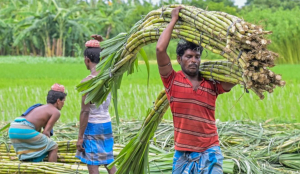
The Centre on Friday pushed back against suggestions that redirecting sugar toward ethanol production was fueling the sharp jump in sugar prices, pointing instead to a combination of reduced domestic supply, seasonal demand around festivals, and hoarding as the real drivers behind its decision to cap stock holdings and permit import of sugar without duty.
"It is incorrect to attribute the recent increase in sugar prices to diversion of sugar for ethanol production," the Ministry of Consumer Affairs, Food & Public Distribution said in a statement.
The ministry noted that the portion of sugar being channelled into ethanol production for blending with petrol has dropped to roughly 9 per cent this season (2025-26), down from about 12 per cent in 2022-23 — with grains, mainly maize, now accounting for nearly three-fourths of the country's total ethanol output.
This clarification followed a jump in retail sugar prices, which touched Rs 55.70 per kg on August 20, up sharply from Rs 48.18 per kg just a month earlier on July 20. Officials cited several factors behind the increase: sugar output falling short of projections, growing demand as festivals approach, crop losses due to weather, a squeeze on global supplies, and speculative hoarding by parts of the trade.
In response, authorities have capped the amount of sugar dealers nationwide can hold at 400 tonnes, a restriction that will stay in place through November 30. Additionally, beginning September 1, large-scale consumers of sugar will be barred from stocking more than a fortnight's worth of supply.
The government has also greenlit duty-free imports of 1 million tonnes of raw sugar, while ordering joint teams from the central and state governments to physically inspect stockpiles at sugar mills to guard against hoarding and manufactured shortages.
Officials now expect domestic sugar production for the current season to land near 30.6 million tonnes — well below the 34.3 million tonnes initially projected by states where sugarcane is grown.
The gap, according to the ministry, stems largely from crop damage caused by Red Rot and Top Borer infestations, compounded by waterlogging from heavy rains.
Despite the shortfall, the ministry maintained that existing reserves are enough to cover domestic needs until the next crushing season kicks off in October.
Supply pressures aren't limited to India — the global market is tightening too. The government projects a worldwide sugar deficit of about 3.3 million tonnes heading into 2026-27, and international prices have already jumped more than 16 per cent, climbing from USD 474 a tonne on June 30 to USD 552 a tonne by August 20.
Officials credited the ethanol initiative with helping resolve chronic oversupply issues in the sugar sector, describing it as a factor that has strengthened mills financially and improved timely payments to farmers.
On average, India produces between 32 and 34 million tonnes of sugar annually, against consumption of roughly 28-29 million tonnes. When output exceeds demand, the resulting surplus stock can tie up mills' working capital, often leading to delayed payments to cane growers.
The ministry reported that 97 per cent of dues owed to sugarcane farmers for the 2025-26 season had been settled as of August 20.
It further pointed out that stronger finances within the industry have reduced its need for government assistance — noting that while around Rs 14,600 crore was disbursed in subsidies between 2014 and 2021, no comparable subsidy has been rolled out since the 2021-22 season.
Separately, the government has recommended that states and mills start the crushing process from October 15 onward, a move expected to push October's sugar output above 1 million tonnes, a significant jump from the typical range of 300,000 to 400,000 tonnes, thereby helping shore up supplies during the festive period. (With inputs from PTI)