
Government pushes menstrual health reforms in schools
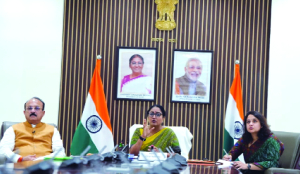
Delhi Chief Minister Rekha Gupta on Thursday directed Government schools across the capital to improve menstrual hygiene facilities and create a more supportive environment for girl students during a high-level virtual meeting with school principals and education officials on World Menstrual Hygiene Day.
The Chief Minister instructed schools to ensure clean toilets, functioning sanitary pad vending machines, proper medical rooms, and better hygiene facilities for girls. She also stressed the need to make schools emotionally supportive spaces where students can speak openly about menstrual health without hesitation.
Addressing principals and officials through video conferencing from the Jan Seva Sadan, the Chief Minister said menstruation is a natural biological process, and girls should not feel fear, shame, or discomfort while attending school during their periods. She said school authorities have a responsibility that goes beyond administration and includes ensuring emotional support and dignity for students.
The meeting was attended by Education Minister Ashish Sood, Director of Education Vedita Reddy, and senior department officials. During the discussion, the Chief Minister reviewed menstrual hygiene infrastructure in Government schools and expressed concern over complaints related to dirty toilets and damaged facilities in some institutions.
She directed principals to immediately repair broken doors, improve sanitation, and use available school funds or coordinate with departments concerned to resolve pending issues. She said students cannot be expected to study properly if basic hygiene conditions are neglected.
The Delhi Government also announced several new measures under its “Menstrual Health Matters” campaign.
A special advisory will be issued for regular maintenance and timely refilling of sanitary pad vending machines installed in schools, government offices, public toilets, and Arogya Mandirs across the city. Officials said the sanitary pad distribution system will now be centrally monitored to ensure the availability of biodegradable and quality-tested products for girls and women.
The Government will also expand awareness campaigns through ASHA and Anganwadi workers so that information related to menstrual hygiene reaches households across Delhi. In schools, menstrual health education for students from Classes 6 to 9 will be strengthened as part of the curriculum.
During the meeting, the Chief Minister also spoke about broader women’s health issues, including anaemia, PCOS, menopause, cervical cancer, and HPV vaccination. She said regular awareness sessions would be organised at Arogya Mandirs, where doctors and trained healthcare workers would directly interact with women and adolescent girls.
The Chief Minister asked school principals to ensure that parents are informed about the importance of HPV vaccination and that consent procedures are properly followed. She said awareness about cervical cancer prevention is necessary because the disease affects a large number of women and can largely be prevented through timely vaccination and education.
The Chief Minister also announced that free bicycles would be distributed to girl students after schools reopen. She said parents should also be encouraged to consider HPV vaccination for their daughters during the process.
“A healthy and confident daughter forms the foundation of a strong society,” the Chief Minister said during the meeting. She added that Delhi can become a truly developed city only when girls are able to move ahead without fear, stigma, or discomfort.
Education Minister Ashish Sood said menstrual hygiene is not only a health issue but also linked to dignity, confidence, and awareness.
He said schools must become safe and sensitive spaces where students receive proper support and information. Sood said the Delhi Government is committed to ensuring that girls receive clean facilities, access to hygiene products, and timely healthcare support.