
Government directs schools to introduce daily 30-minute reading session, library activities
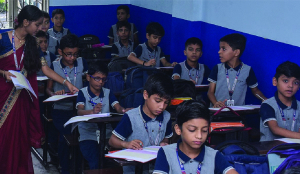
To inculcate a habit of reading among students, the Delhi Government has directed its schools to introduce a daily 30-minute reading session, structured library-based activities, book talks, storytelling and reading tasks throughout the academic year. In a circular, the Directorate of Education recommended 20 activities that may be conducted at different intervals during the academic year, including daily reading time, weekly library periods and read-aloud sessions, monthly book talks, storytelling competitions and book review writing.
The DoE said schools should promote a culture of reading in line with the National Education Policy (NEP) 2020. It asked schools to ensure effective use of library resources, make age-appropriate books easily accessible and encourage students to develop reading habits through planned activities.
The guidelines require schools to earmark a dedicated 30-minute reading period daily for primary classes, set up reading corners in every classroom with at least 20 age-appropriate books, and keep libraries open during recess.
Allocate 10-15 minutes every day for uninterrupted silent reading. Students may read any age-appropriate book of their choice to develop a regular reading habit and improve comprehension.
It has directed schools to set up a small collection of books in every classroom for easy access. Students should be encouraged to borrow, exchange, and read books during free periods or designated reading time.
Teachers or senior students read stories, poems, or articles aloud using proper expression and pronunciation. Interactive discussions may follow to improve listening and comprehension skills. Students present a brief introduction to a book they have read, highlighting the story, characters, and why others should read it. This develops communication skills and encourages peer reading.
Teachers have been asked to engage with students during the reading period, conduct 10-minute book discussions twice a week and organise at least one reading assembly every month.
It also suggested quarterly reading challenges and book exhibitions, annual reading festivals, book donation drives and the identification of “Reading Ambassadors” to encourage peer learning.
Schools have also been asked to maintain class reading registers, organise a parent reading workshop every quarter and encourage families to spend 10 minutes daily for reading together at home. Conduct a dedicated library period every week where students explore books, develop library skills, and engage in independent reading rather than only issuing and returning books.
School librarians have been directed to display new arrivals prominently, issue at least two books per student every week, maintain updated reading records and identify students who are reluctant readers so that they can be guided individually. Every student maintains a record of books read, including the title, author, date completed, and a brief reflection. This helps monitor reading progress throughout the year.
The circular further said implementation of the directions would be reviewed during school inspections and monthly meetings and asked all heads of schools to ensure strict compliance to inculcate reading habits and better use of school libraries.