
Gold jewellery demand softens
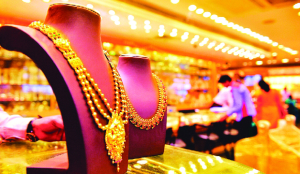
Gold jewellery demand has softened in recent weeks after a strong run-up ahead of the festive season, with sharp price swings prompting consumers to defer discretionary purchases and wait for greater price stability, the World Gold Council said on Thursday.
However, demand is expected to improve as the festive and wedding season progresses, supported by steady investment demand and resilient wedding-related buying, though elevated prices and volatility may continue to constrain discretionary buying, according to blog post by WGC.
In the blog, WGC Research Head, India, Kavita Chako stated that according to industry feedback, the strength in gold jewellery demand seen in the run-up to the festive season, has softened over recent weeks.
The sharp gold price rally in August, followed by the subsequent pullback, has left many consumers in a wait-and-watch mode, delaying discretionary purchases, she said. Retailers have also been cautious about inventory building, preferring to replenish based on realised demand, while some manufacturers have reported delays in uptake of orders by retailers. Wedding-related demand has remained relatively resilient, although anecdotal reports point to a structural shift towards lighter-weight jewellery.
Large retailers have seen stronger demand and stepped up product launches, marketing initiatives and promotional campaigns, while refining their strategies to favour faster-moving products.
Despite the recent moderation, the trade remains cautiously optimistic about demand during the peak festive and wedding season.
Market participants report that physical investment demand remains steady, and some investors appear to be shifting from physical gold towards digital forms of gold.
WGC stated that domestic gold prices continue to trade below import parity, suggesting local supply remains adequate relative to demand.
Discounts widened from an average of USD 34 an ounce in July to USD 51 in August and further to USD 78 as of September 11, leaving domestic prices trading nearly 2 per cent below import parity or landed price.
Market feedback suggested that the exchange of old gold for new jewellery has boosted local supply and helped keep domestic prices below the landed cost.
The availability of unofficial supply is also cited as a contributing factor behind the widening discount, WGC added.
Meanwhile, WGC further revealed that gold imports declined sharply in August, falling to USD 2.3 billion, down 45 per cent month-on-month and 58 per cent year-on-year.
Import volumes are estimated to have been in the range of 15-20 tonnes, while gold’s share of total merchandise imports eased to 3 per cent, compared to 9 per cent a year earlier.
This fall in imports suggests that existing domestic supply remained sufficient to meet expected demand and partly reflects lower dore shipments.
With domestic gold prices trading at a discount of over 1 per cent to international prices, imported dore became less attractive for local refiners, despite its 0.65 per cent duty advantage over bullion, WGC added.