
Fadnavis flags malnutrition in Mumbai slums, calls for targeted CSR interventions
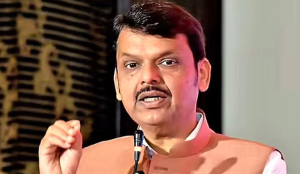
Maharashtra Chief Minister Devendra Fadnavis on Tuesday flagged persistent malnutrition among children in Mumbai's slums despite the city's high per capita income and called for targeted interventions through corporate social responsibility (CSR) partnerships.
Speaking at an event at the BMC headquarters, Fadnavis said children from economically weaker sections continued to face stunting and wasting, and stressed the need to improve nutrition outcomes in poorer communities.
He said Mumbai's relatively high per capita income should be reflected in better nutritional indicators.
"Even if people are not going hungry, there are many who are malnourished," Fadnavis said.
He said CSR partnerships could help civic programmes by bringing in technology, better monitoring systems, greater flexibility and more focused interventions.
Fadnavis was speaking at the launch of the "Participate Mumbai" platform and a BMC initiative aimed at strengthening service delivery and institutional effectiveness in collaboration with non-profit organisation Samagra.
He said the platform would provide an interface between the BMC and corporate and social organisations willing to participate in development projects.
"Participate Mumbai" would not be limited to a CSR funding mechanism but would serve as a "participation platform" where the civic body and its partners could jointly identify and implement projects in education, health, nutrition, water, employment and poverty alleviation.
"CSR should not be measured by how much money is spent, but by the outcome and impact," he said.
Fadnavis also called for changes in government processes, saying many systems designed decades ago needed to be revisited as citizens now expected faster service delivery and quicker responses to grievances.
Referring to the Maharashtra government's work with Samagra, he said an analysis of 1,100 online government services found that nearly 200 services were rarely or never used by citizens.
Only around 45 to 47 services and schemes accounted for about 90 per cent of citizens' interactions with the government, he said.
"If we undertake business process re-engineering of these 45 to 47 services and improve their delivery systems, 90 per cent of the people can be made much happier and their perception of the government can change," Fadnavis said.
He said the business process re-engineering exercise was in its final stage and the government would soon introduce the reworked services.
Fadnavis also cited the BMC's use of artificial intelligence to process building plans and said the ultimate objective should be to achieve "zero human intervention" in building-plan approvals.
Such measures would improve Mumbai's ease of doing business, he said.
Fadnavis urged government officials to overcome resistance to change and adopt new technologies and practices.
"Time does not stop for anyone. Adapting to change is what is important," he said.
Maharashtra Minister Mangal Prabhat Lodha, Mayor Ritu Tawde, Deputy Mayor Sanjay Ghadi and other dignitaries attended the event.