
Educating for life: The case for holistic learning in rural India
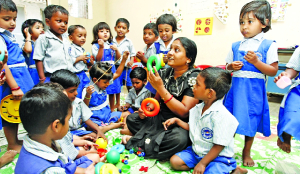
Education has always been the first step of progress. However, in the rural landscape, the conversation around education must move beyond textbooks, examinations, and classroom attendance. True education is generally beyond acquiring knowledge. It is about developing the skills, values and confidence needed to navigate life’s challenges and opportunities. Rural education must focus on a holistic approach to achieve inclusive and sustainable growth.
The Need to Go Beyond Traditional Learning
The majority of villagers are considered to be first-time learners; however, it is also crucial that these children receive training in practical skills in order to prepare them to succeed in today’s world. Critical thinking, communication skills, teamwork, problem-solving, financial management, digital literacy, and overall awareness are very much needed in today’s fast-moving world. All these skills will help students make good choices regarding their lives, whether in the workforce or otherwise, and contribute to the improvement of their communities.
India’s rural communities are rapidly changing due to technology, entrepreneurship and new opportunities. The education system must change and be able to assist our students in this transitional period, in order to guarantee that our students will have a bright future. In addition to teaching mathematics and science, schools should teach children about leadership, creativity, social values, environmental awareness and personal development.
Experiential Learning: Building Confidence and Capability
The most effective way to promote holistic education is through experiential learning. Experiential learning encompasses a variety of activities such as sports, arts, cultural programs, community service, and vocational training. These types of activities give students the ability to build confidence and develop practical skills, as well as teach them important life skills such as discipline, resilience, teamwork, and responsibility that are difficult to develop through traditional classroom instruction. By encouraging students to participate in experiential learning activities, educational institutions help students identify their strengths while expanding their understanding of what is possible in their lives and careers.
Digital Literacy for a Changing World
Digital literacy is another fundamental principle for a holistic education. The rapid growth of technology has changed the way people communicate, conduct business, and access and utilise information. As technology becomes an ever-increasing part of everyday life, rural students will need to be equipped with the knowledge and ability to access information, responsibly use digital technology, and seek new learning opportunities.
Bridging the digital divide offers tremendous potential and ensures that rural students can compete with urban students on an equal basis. Access to digital media resources also gives rural youth new opportunities for online learning, developing new skills, creating their own businesses and contributing to the growth of India.
Nurturing Values and Responsible Citizenship
Equally important is the role of values and character building. Education should nurture empathy, integrity, respect, and a sense of civic responsibility. When young people understand their duties toward society and the environment, they grow into responsible citizens capable of driving positive change. Such values are particularly important in strengthening community bonds and preserving the social fabric of rural India.
Teachers and parents play a vital role in this transformation. Their encouragement and support can help students discover their talents, pursue their aspirations, and develop self-belief. Educational institutions must work closely with families and local communities to create an ecosystem that supports holistic growth. Preparing Rural Youth for the Future
The future of rural India depends on empowering its youth with more than academic qualifications. By integrating life skills, technology, values, and practical learning into education, we can create a generation that is not only educated but also capable, confident, and future-ready. Holistic education is not merely an educational reform; it is an investment in the social and economic development of the nation. When rural students are equipped to succeed in all aspects of life, the entire country moves forward together.
MLC Er. Awanish Kumar Singh is Chief Educationist & President, Subhash Chandra Bose Group of Institutions and State President Kreeda Bharti, UP; Views presented are personal.