
ED raids 10 premises linked to Mohammad Ali Jauhar University in PMLA probe
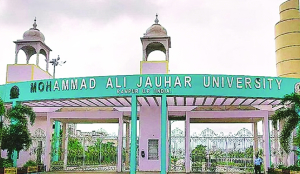
On Wednesday, the Lucknow Zonal Office of the Directorate of Enforcement (ED) searched 10 locations in Rampur, Saharanpur, and Delhi. These searches were part of an investigation under the Prevention of Money Laundering Act (PMLA), 2002, into claims of illegal land acquisition and the possible misuse of Government funds for the construction of Mohammad Ali Jauhar University in Rampur.
According to an ED, the investigation began after 26 First Information Reports (FIRs) were filed by Uttar Pradesh Police at Azeem Nagar Police Station in Rampur, along with another FIR at Kotwali Police Station in Rampur. These FIRs involve charges like extortion, cheating, forgery, and criminal conspiracy under the Indian Penal Code. Since these are considered scheduled offences under the PMLA, the ED is allowed to investigate possible money laundering.
The FIRs and the ongoing investigation claim that Mohammad Ali Jauhar University in Rampur, led by Chancellor Mohd. Azam Khan and others, illegally took land from local farmers and also acquired enemy property owned by the Government of India. The ED is now tracing the money trail, including how any proceeds of crime were generated, hidden, used, or turned into assets for the university.
During the searches, officers seized various materials they believe are important to the investigation. These included incriminating documents, records of alleged fake donations linked to the university’s Trust, and digital files.
All items were taken under the rules of the PMLA, 2002. The ED says these materials will help track the flow of funds and show if illegal money was disguised as legitimate assets. Mohammad Ali Jauhar University has already been investigated before by State authorities over related issues. The ED is now focusing only on the financial side of the alleged wrongdoing. Investigators are looking into how money from disputed land deals or alleged donations was used to build and develop the university, including whether any Government funds were misused.
The searches took place at several locations in Rampur, Saharanpur, and Delhi, showing that the investigation covers a wide area. This multi-location approach is standard for the ED when collecting records from different places connected to the same case.
The Enforcement Directorate has emphasised that the investigation is ongoing. More steps will be taken as they review the seized documents and digital evidence. Under the PMLA, the agency must identify, seize, and, if needed, confiscate assets gained from crime once money laundering is proven.
Experts say that cases involving educational institutions require a detailed review of financial records over several years. Donations, land purchases, construction contracts, and bank transactions must be matched with the claims in the original FIRs. With digital records now seized, investigators can track electronic communications, money transfers, and property documents that might not appear in paper files.
The agency’s official statement says the ED’s role is limited to investigating money laundering linked to the offences already registered by Uttar Pradesh Police. In the end, the courts will decide on any criminal responsibility after the investigation is finished and, if needed, a prosecution complaint is filed.
There have been no arrests resulting from the searches, and the ED has limited its public comments to details about the operations, the types of materials seized, and the current State of tNo arrests have been made so far. The ED has only shared information about the searches, what was seized, and the investigation’s progress.
The agency says it will carefully review the money trail, examining both the alleged illegal land deals and the use of funds for university buildings. With the Enforcement Directorate in possession, the investigation is set to enter a detailed stage of analysis and verification in the coming weeks.