
DDA audit flags 190 high-risk parks, scant CCTV coverage
A week-long safety audit of all 736 Delhi Development Authority (DDA) parks in Delhi has classified 190 as high risk, exposing major gaps in the city’s green spaces, including the finding that only 16 parks had any CCTV coverage before the review began.
The audit was completed within a strict one-week deadline set by Lieutenant Governor Taranjit Singh Sandhu, who had directed DDA to inspect every park under its jurisdiction. Based on the findings, parks were sorted into three priority categories: 190 high risk, 258 medium risk and 288 low risk, with DDA now concentrating immediate attention on the high-risk list first.
Lighting emerged as one of the biggest concerns, with 520 parks identified as needing additional illumination. Urgent lighting work is currently underway in 231 of these, while an earlier audit conducted the previous week has already resulted in completed lighting upgrades at 106 parks. Entry security was another weak point. Officials identified 163 parks with no locking mechanism at all, and these are now being fitted with lockable gates. Safety information boards have gone up in 115 parks so far, with 484 more signs planned across the network.
Perhaps the starkest finding involved surveillance. Just 16 of Delhi’s 736 DDA parks had functioning CCTV cameras before this audit. In response, 323 additional parks have now been earmarked for new camera installations, a scale of expansion that underlines how thin the city’s park surveillance network had become.
Structural safety also came under scrutiny. Of 399 parks flagged for boundary issues, repair work and fixing of missing grills have been completed at 233 so far. Separately, officials have marked out areas around public toilets and abandoned structures inside parks for dedicated improvement work, locations they consider particularly vulnerable.
On the ground, night patrolling has begun at 245 of the city’s larger parks, and bike patrols are now operating across every park classified as high risk. Yet the audit also revealed a staffing shortfall, with 134 parks still requiring armed guards that have not yet been deployed. To address these gaps, DDA held a coordination meeting with all relevant security agencies at the Principal Commissioner’s office on September 28.
Accountability measures for existing security staff have also been tightened. Biometric attendance systems have been activated in 602 parks, with the rollout continuing across the remaining locations to ensure guards are actually present and verified during their shifts.
Coordination with police has also been strengthened. Contact details of local beat officers have been shared with DDA’s field staff, and field staff information has similarly been passed to police, alongside a push to raise awareness around incident reporting. This exchange of contact information is now complete across all 736 parks.
Looking ahead, DDA said it is drafting standard operating procedures covering patrolling routines, guard responsibilities, supervisor accountability, attendance tracking, reporting protocols and coordination with police, while also updating the terms of security-related tenders to reflect these new standards.
Local Resident Welfare Associations have also been brought into the process, with systematic consultations underway to identify specific safety concerns in individual neighbourhoods and decide on corrective action; these meetings are being conducted at the Director or Deputy Director level.
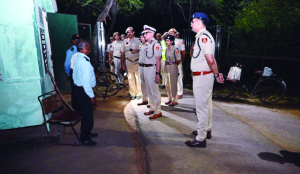
To keep track of progress across such a large number of sites, DDA has built a central master tracker and monitoring dashboard. Senior officials have also begun personally inspecting parks weekly, with the Principal Commissioner visiting Yamuna Biodiversity Park on September 30 and the Principal Commissioner of Horticulture, Landscape and Systems inspecting Kamala Nehru Ridge Park the following day.