
CJP leaders Dipke, Ranka and Das released on bond to maintain peace for one year
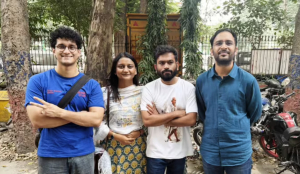
Cockroach Janta Party (CJP) leaders Abhijeet Dipke, Ashutosh Ranka and Saurav Das, who were detained at Delhi airport ahead of the party's protest at Jantar Mantar, were released on Sunday after being produced before an executive magistrate, police said.
The three were placed under preventive arrest on Saturday after their flight landed in the national capital. They were released after furnishing a bond of Rs 50,000 as surety for maintaining peace and good behaviour for one year, CJP legal affairs head Ratna Singh said.
In a post on X, Delhi Police said preventive arrest proceedings were initiated against the three under Sections 126 and 170 of the Bharatiya Nagarik Suraksha Sanhita (BNSS), which deal with security for keeping peace and arrest to prevent the commission of cognisable offences, respectively.
“All due legal procedures were followed and they were produced before the SEM Court, Delhi Cantt on 11.10.2026,” the police said.
The police added that a bail bond and surety bond of Rs 50,000 had been furnished for maintaining peace and good behaviour for a year, following which the executive magistrate ordered their release.
Singh also confirmed the release in a post on X.
The detentions came amid extensive security restrictions in Delhi on Saturday, when more than 7,000 protesters were detained at multiple locations as authorities prevented demonstrators from reaching Jantar Mantar.
Several opposition leaders, including former chief ministers Arvind Kejriwal, Mamata Banerjee, Pinarayi Vijayan and Manik Sarkar, were also detained while attempting to join the demonstration.
The CJP has renewed its call for a protest at Jantar Mantar on Sunday, with police continuing security arrangements across the capital. More than 30,000 police and paramilitary personnel were expected to be deployed, according to the copy.
The CJP and opposition parties have been demanding the resignation of Chief Election Commissioner Gyanesh Kumar over alleged irregularities in the Special Intensive Revision (SIR) of electoral rolls.