
China opposes US ‘long-arm jurisdiction’ over Russian oil trade
Beijing, September 17: China on Thursday rejected the United States' attempt to impose tariffs on countries purchasing Russian oil and gas, saying its normal economic and trade cooperation with other nations should not be subject to interference or coercion by third parties.
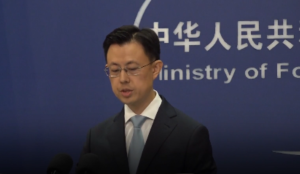
Chinese Foreign Ministry spokesperson Guo Jiakun made the remarks after the US House of Representatives passed the Lindsey O. Graham Sanctioning Russia and Iran Act of 2026 by a 262-159 vote on September 16. The legislation, which targets Russia and countries that continue doing business with it, has now been sent to President Donald Trump.
Asked about the legislation at a regular briefing, Guo said China conducts trade and economic cooperation with other countries on the basis of equality and mutual benefit. He said such cooperation does not target third parties and should not be disrupted or coerced by them.
China opposes what it describes as "long-arm jurisdiction" and unilateral sanctions that lack a basis in international law or authorisation from the UN Security Council, Guo said.
The comments come as China remains a major buyer of Russian energy. Beijing has repeatedly rejected unilateral sanctions targeting its trade with Russia and has maintained that its energy cooperation with Moscow is legitimate.
The US legislation is intended to increase economic pressure on Russia over its war in Ukraine. The bill cleared the Senate last month before receiving House approval this week.
At the same time, China and the US are continuing discussions on trade. Beijing's Commerce Ministry said Thursday that the two countries are working towards a reciprocal tariff reduction arrangement covering about $30 billion worth of products from each side.
The ministry said the negotiations are aimed at implementing the consensus reached by Chinese President Xi Jinping and Trump and reaching an agreement on reciprocal tariff reductions at the earliest possible date.
The latest exchange comes ahead of the expected Xi-Trump summit in Washington later this month.
with inputs from PTI