
Check the dot: Toiletries must now reveal origin of ingredients
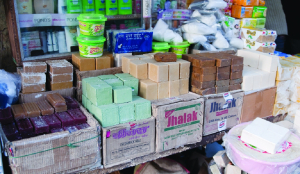
Discerning customers can now buy toiletries with labels carrying distinct symbols for vegetarian or non-vegetarian ingredients, following a Union Government order.
A green dot marks vegetarian while a red or brown dot indicates a non-vegetarian product.
The new labelling rules came after the Union Government amended the Legal Metrology (Packaged Commodities) Rules, 2011 via a notification issued on September 21, Monday.
Under the amended rules, products of vegetarian origin will have to carry a green dot, while products of non-vegetarian origin will have to carry a red or brown dot. Moreover, the symbol must be displayed at the top of the package’s main display panel, making it easier for consumers to identify the nature of the product. The notification specifically covers soap, shampoo, toothpaste, other cosmetics and toiletries.
The green dot indicates that the item is made entirely from plants or plant-derived components. The red or brown dot means the item contains ingredients, additives, or components sourced from animals (such as certain fats, oils, or extracts).
The symbols are similar to those already used on food products. A green symbol indicates that a product is vegetarian, while a separate symbol indicates that the product contains ingredients derived from animal sources.
The move is aims to give consumers clearer information about the origin of ingredients used in personal care products. This could be particularly relevant for people who follow specific dietary, ethical or religious practices.
Several everyday personal care products can contain animal-derived ingredients or derivatives.
These may include glycerin, tallow, collagen and keratin, depending on how they are sourced and processed. Some of these ingredients can also be made from plant or synthetic sources.
The requirement could also mean changes for manufacturers, importers and personal care brands. Companies will need to review their formulations and supply chains to establish the source of ingredients used in their products before updating packaging.
This could involve checking not just major ingredients but also smaller additives, oils, excipients and other components used in formulations. Companies that do not follow the Legal Metrology packaging rules may face penalties and action from authorities.