
Twisha Sharma Death Case: CBI recreates crime scene with dummies at Ex-Judge Giribala Singh’s residence
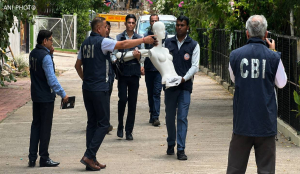
The Central Bureau of Investigation (CBI) has intensified its probe into the death of model and actor Twisha Sharma by recreating the crime scene at the Bhopal residence of her mother-in-law, retired judge Giribala Singh.
Investigators conducted a detailed reconstruction exercise using dummies and weighted objects to recreate the sequence of events surrounding Twisha’s death. The exercise was aimed at verifying statements given by the accused and matching them with physical evidence collected during the investigation.
According to sources, the CBI used the reconstruction to examine movements inside the house, cross-check witness accounts, and identify possible inconsistencies in the versions provided during questioning. Officials believe the exercise could help establish a clearer timeline of the events leading up to the incident.
The agency is also reportedly testing claims made by Twisha’s husband, Samarth Singh, and mother-in-law Giribala Singh regarding how her body was brought down after she was found hanging. Reports suggest investigators are using an 80-kg dummy to scientifically assess whether their statements align with the physical circumstances of the scene.
The reconstruction comes days after the CBI arrested Giribala Singh following the cancellation of her anticipatory bail by the Madhya Pradesh High Court. Both Singh and her son Samarth Singh have been under CBI custody as investigators continue questioning them in connection with the high-profile case.
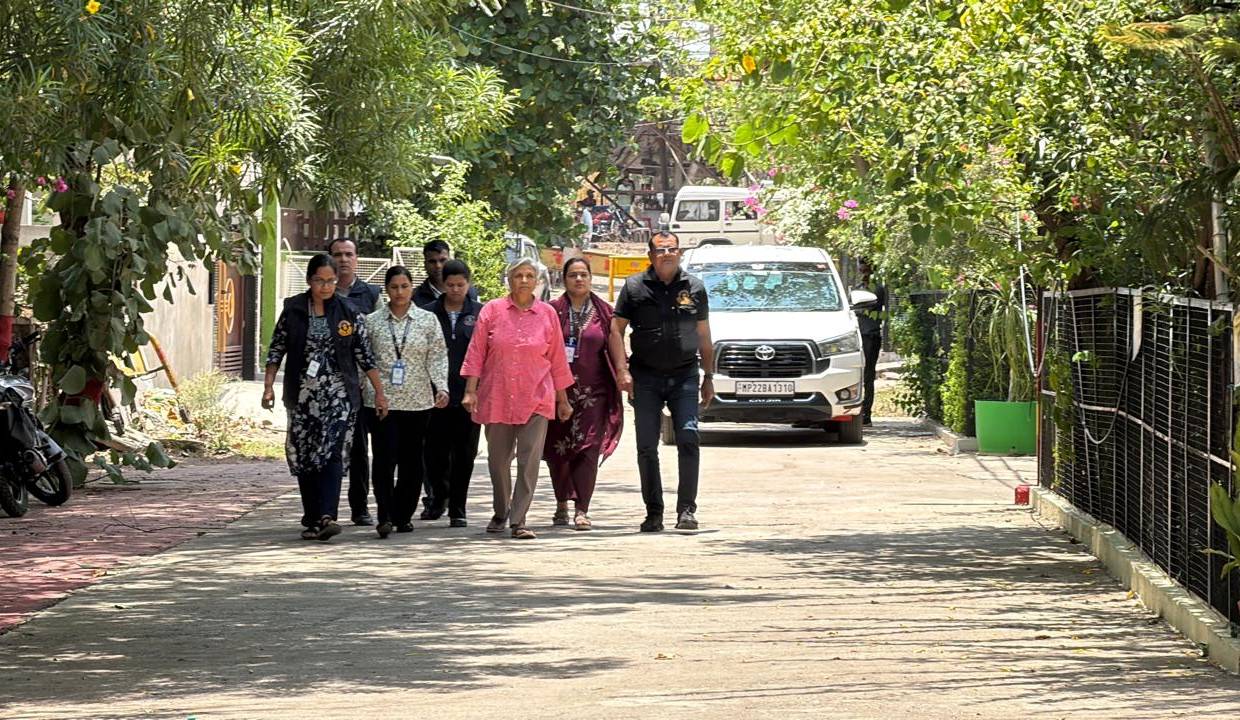
Twisha Sharma was found dead at her matrimonial home in Bhopal in May, just months after her marriage. Her family has alleged dowry harassment and demanded an independent investigation, prompting the case to be transferred to the CBI. The agency is also examining additional aspects of the case, including medical records, digital evidence, and events leading up to her death.
The outcome of the reconstruction exercise is expected to play a crucial role in determining whether the statements of the accused are consistent with forensic findings and other evidence gathered during the investigation.