
Cars will face tougher safety checks from 2027: Gadkari
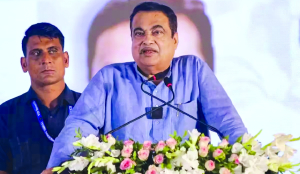
If you’re planning to buy a car a couple of years from now, it will have to clear a much tougher safety exam. Union Road Transport and Highways Minister Nitin Gadkari on Wednesday told the 66th Annual Convention of the Society of Indian Automobile Manufacturers (SIAM) that from October 2027, India’s car safety-rating programme, Bharat NCAP, will get a major upgrade - one that looks well beyond how a car crumples in a crash.
The current Bharat NCAP gives cars a star rating (1 to 5) based on crash tests, like global systems such as Euro NCAP. It already rates over 30 models from 11 manufacturers, and it’s cheaper for carmakers to test here - about Rs 60 lakh a model versus roughly Rs 2.5 crore abroad.
Bharat NCAP 2.0 will go further. “We are going to evaluate the entire crash chain,” Gadkari said - meaning the test will also judge how well a car helps you avoid a crash, how it protects pedestrians outside it, and how quickly help can reach you afterwards, not just how the cabin holds up on impact. Expect more weight on features like automatic emergency braking and pedestrian-detection systems, with manufacturers asked to bring in newer tech, including from Indian start-ups.
It isn’t only cars getting tougher scrutiny. Gadkari said the government is working on a points-based system for driving licences, much like demerit-point systems abroad. Break traffic rules repeatedly and you could lose points and eventually your licence, while safe drivers could get cheaper insurance or other perks. “Those who have good points, they will get incentives from insurers or companies... those who are habitually making mistakes, the penalty is there,” he said.
For anyone who takes a bus to work or school, there’s good news too. Following 3,855 bus-related deaths in 2024, buses can now be registered only after stricter type-approval checks, with physical and video inspections uploaded online before a bus hits the road. Bus builders get a break too - testing charges are roughly halved, from Rs 30-40 lakh to about Rs 14 lakh, with approvals now taking six weeks instead of four months.
Gadkari also wants carmakers to fund driving schools, fitness centres and scrapping yards, especially in smaller towns, to fix India’s shortage of trained drivers - of 1,600 planned centres, only 24 are running so far. And in Delhi-NCR, a new Parivartan scheme offers road-tax waivers, registration exemptions and cheap loans to owners willing to scrap over two lakh old trucks and buses for cleaner BS-VI or electric replacements.
The bigger picture, Gadkari suggested, is an auto industry now worth over Rs 22.75 lakh crore and central to the economy - but one where the price of that growth, going forward, will be safer cars, safer buses, and safer drivers.