
Bamboo cooling zones installed to tackle heatwave
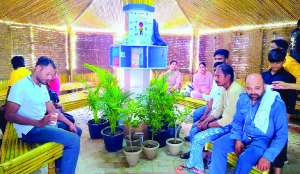
The Delhi Government has launched eco-friendly bamboo cooling zones in parts of the Capital to provide relief to residents facing extreme summer temperatures and heatwaves under its Heat Action Plan.
Two cooling zones are currently operational in Bawana and Alipur in Outer North Delhi, while work has begun on three additional centres, including one near the Deputy Commissioner’s office. The project has been developed by the Outer North District Administration in collaboration with SEEDS NGO.
Chief Minister Rekha Gupta said the government plans to expand the initiative to other parts of Delhi as temperatures continue to rise across the city. She described the cooling zones as reliable relief centres for people exposed to prolonged outdoor heat. The initiative is aimed primarily at helping vulnerable groups such as construction workers, daily-wage labourers, rickshaw pullers, street vendors, drivers, and others who spend long hours outdoors during the summer.
Officials said the structures have been designed using bamboo to minimise environmental impact while creating sustainable and climate-friendly public spaces. The cooling zones use vetiver grass screens and mist-based cooling systems that naturally lower surrounding temperatures. Natural ventilation systems, including specially designed air circulation passages and exhaust vents, have also been incorporated to improve airflow and reduce heat inside the structures. Authorities said the design helps reduce heat absorption while maintaining a cooler and more comfortable environment for visitors.
The facilities provide several public welfare services, including chilled drinking water, ORS packets, seating arrangements, and rest areas. Fire extinguishers and awareness material related to heatwave prevention have also been installed at the sites.
According to the Delhi Government, the cooling zones have already received a positive response from residents. Workers and commuters have started using them as temporary shelters to escape the harsh afternoon heat.
The Chief Minister said the project represents both an immediate relief measure and a long-term climate adaptation strategy for the city. She said the government intends to continue promoting environmentally sustainable and innovation-based solutions to deal with rising temperatures and changing climate conditions.
The Chief Minister added that protecting vulnerable citizens remains a top priority for the Delhi Government during the summer season. She said that more such climate-friendly facilities would be developed in the future.
Delhi has been experiencing severe heatwave conditions in recent weeks, prompting the government to increase public relief measures across districts. The Heat Action Plan already includes mobile heat relief units, temporary shelters, drinking water distribution, and public awareness campaigns.
Officials said the bamboo cooling zones form part of broader efforts to build climate-resilient urban infrastructure while reducing dependence on energy-intensive cooling systems. The government believes the use of natural materials and passive cooling technologies can provide sustainable solutions in densely populated urban areas facing extreme weather conditions.
The Chief Minister also appealed to residents to take precautions during the summer. She advised people to remain hydrated, avoid unnecessary exposure to direct sunlight during peak afternoon hours, and make use of public cooling facilities established by the government. The Chief Minister said the government was continuously monitoring the heat situation and taking necessary measures to safeguard public health. She added that ensuring the safety and well-being of Delhi residents during the heatwave remains the administration’s highest priority. Officials said additional cooling zones may be introduced in other districts depending on weather conditions and public response.