
AIIMS Bhopal patents new device for wisdom tooth surgery
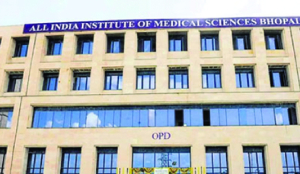
A team of doctors at AIIMS Bhopal has developed an indigenous medical device that promises to make impacted wisdom tooth surgery easier, safer and more effective. The innovation, which took nearly five years of dedicated research and development, has been granted a patent and is expected to improve the treatment of patients who require surgical removal of impacted third molars, commonly known as wisdom teeth.
The device has been designed to address one of the biggest challenges faced by oral and maxillofacial surgeons during wisdom tooth extraction, particularly in patients with restricted mouth opening. Such cases often make surgical access difficult, increasing the complexity of the procedure and the risk of complications. According to the research team, the newly developed instrument enhances visibility and accessibility during surgery, enabling doctors to perform the procedure with greater precision and reduced effort.
Doctors involved in the project said the innovation helps minimise tissue trauma, reduces unnecessary force during tooth extraction and lowers the chances of injury to surrounding tissues. As a result, patients are expected to experience less pain, reduced swelling and faster recovery after surgery. The improved surgical approach may also reduce the need for excessive medication and contribute to better overall treatment outcomes.
The patented device was developed by specialists from the Department of Dentistry at AIIMS Bhopal with support from researchers across multiple departments. The project reflects the institute’s growing emphasis on indigenous medical innovation and research aimed at solving practical clinical challenges. The research team worked extensively to refine the design and ensure that the device could effectively address the limitations of existing surgical techniques.
Doctors said the innovation would be particularly beneficial for patients suffering from conditions that restrict mouth opening, where conventional wisdom tooth surgery can be technically demanding. By providing improved access to the surgical site, the device enables surgeons to carry out complex procedures more efficiently while enhancing patient safety.
The successful development of the device highlights the potential of home-grown medical technology in advancing healthcare solutions. With the patent now secured, the researchers hope the innovation will find wider clinical adoption and contribute to improving oral healthcare standards across the country. The achievement also reinforces AIIMS Bhopal’s commitment to promoting research-driven healthcare innovations that offer practical benefits to both medical professionals and patients.
This breakthrough is expected to encourage further indigenous innovation in medical technology, reducing dependence on imported surgical devices while strengthening India’s capabilities in affordable and patient-centric healthcare solutions.