Six months on, war changed West Asia, but not as its architects hoped

It’s been six months since the United States and Israel attacked Iran with the perennial goal of transforming the Middle East through military force. The region has changed, but not in the way they had hoped.
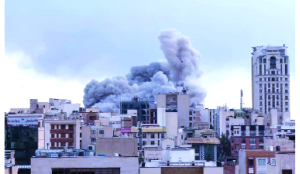
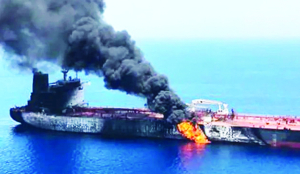
The Islamic Republic survived the assassination of its top leaders and weeks of heavy bombing, and found a potent form of leverage in the Strait of Hormuz. Gulf Arab nations saw worrying gaps open up in the American security umbrella they have relied on for decades - and some are looking at alternatives.
Israel has once again thrashed its enemies without defeating them, and after nearly three years of war in Gaza and new land seizures, is at risk of a generational rupture with the US, its closest ally. Hopes of normalising relations with Saudi Arabia - another enduring US and Israeli aspiration - have dimmed even further.
When they attacked Iran on February 28, the US and Israel hoped to topple its clerical leadership and replace it with a pro-Western Government.
Instead, they’ve ended up with a “hardened and very radical regime,” said Barbara Leaf, a former ambassador who served as assistant secretary of state for West Asia in the Biden administration. “That is going to be exceptionally difficult to deal with, to say the least,” she said. Iran’s “confidence has grown over the months that it cannot only survive, but it can prevail, it can reset the regional landscape.”
In the run-up to the war, the Islamic Republic appeared more vulnerable than at any point since Saddam Hussein’s Iraq invaded in 1980. Iran’s currency had cratered, setting off some of the biggest anti-government protests in its history, which were brutally suppressed in January, with thousands killed.