Shadows of Greatness Return
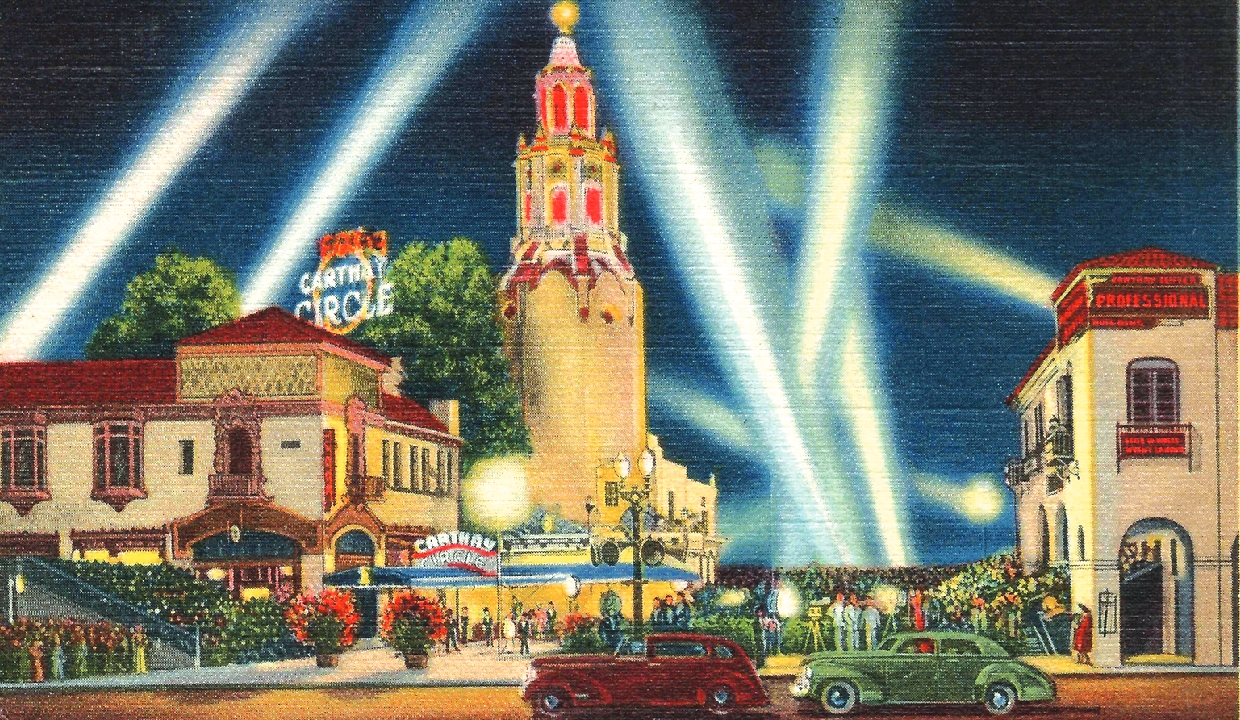
Cinema acts as a vital link, binding the hardness of reality to the collective dreams of the public. Between 1914 and 1964, Hollywood underwent a radical metamorphosis, outgrowing its early identityas a niche experiment to become a dominant global dialect. This era of transformation defined the IIC Main Gallery’s recent exhibition, ‘The Greatest Show on Earth’, which brought decades of archival research into the public eye. Drawing from the extensive archives of the Tuli Research Centre for India Studies and curated by Neville Tuli, the showcase illuminated thirty years of dedicated scholarly preservation.
The story started when filmmakers broke from Thomas Edison’s patent control. This freedom birthed studios like Paramount and Universal. A striking visual anchor was Gigi Scaria’s 2010 inkjet print, Who Deviated First? This work on archival paper stands 197 centimetres tall. The artwork functions as a vertical interrogation of the past. Its massive scale forces a break in the horizontal flow of the historical film posters and rare archival materials. It questions the exact moment when the rigid, epic traditions of 1913 Italian spectacles like The Last Days of Pompeii and Quo Vadis began to splinter into new artistic directions. Scaria’s work pulls the raw, visual weight of the silent era into the present, grounding today’s perspectives in those early, unspoken roots.
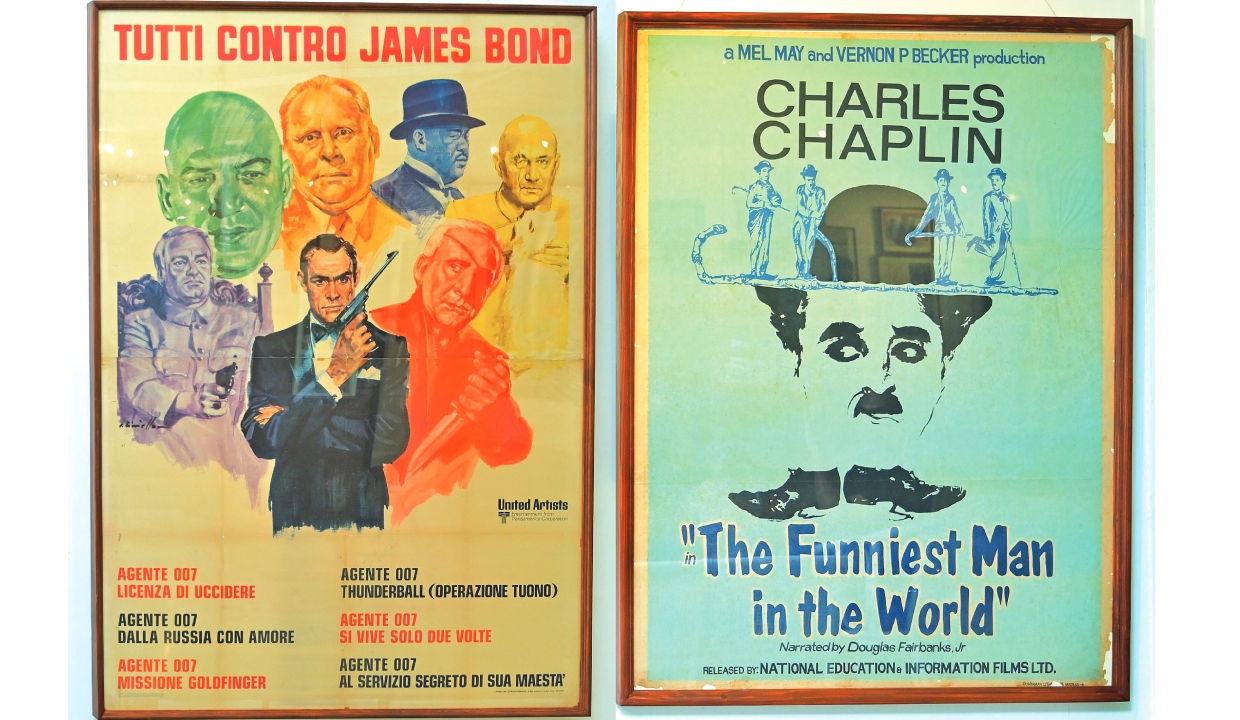
What is it about a century of flickering shadows that allows these early cinematic experiments to still dictate the shape of modern fears and ambitions? The exhibition addresses this by organising the archive across ten distinct pillars, juxtaposing the irreverent wit of the Marx Brothers against the high-gloss ‘Glory of Stardom’ featuring legends like Marilyn Monroe, Clark Gable, and Marlon Brando. The ‘German Expressionism’ section presented the haunting geometry of The Cabinet of Dr Caligari, Faust, and Metropolis. Why do century-old shadows still grip the modern psyche? These productions fundamentally altered the global perception of psychology and the unknown. Within ‘The Nature of Uncertainty’, Hitchcock’s suspense and Dracula’s dread probe fear. Rooted in thirty years of research, the showcase establishes cinema as a vital prism for decoding international cultural shifts.
From the early drama of the 1922 film Foolish Wives to the arrival of James Bond and Walt Disney, the exhibition offered a raw, detailed journey. The display proved that the early pioneers turned light and shadow into a permanent world legacy.
Cinema once built dreams on celluloid. An exhibition revisits Hollywood’s golden era through rarearchives, posters and stories