Seven trial court judges to take oath in Delhi HC, Bench strength rises to 50
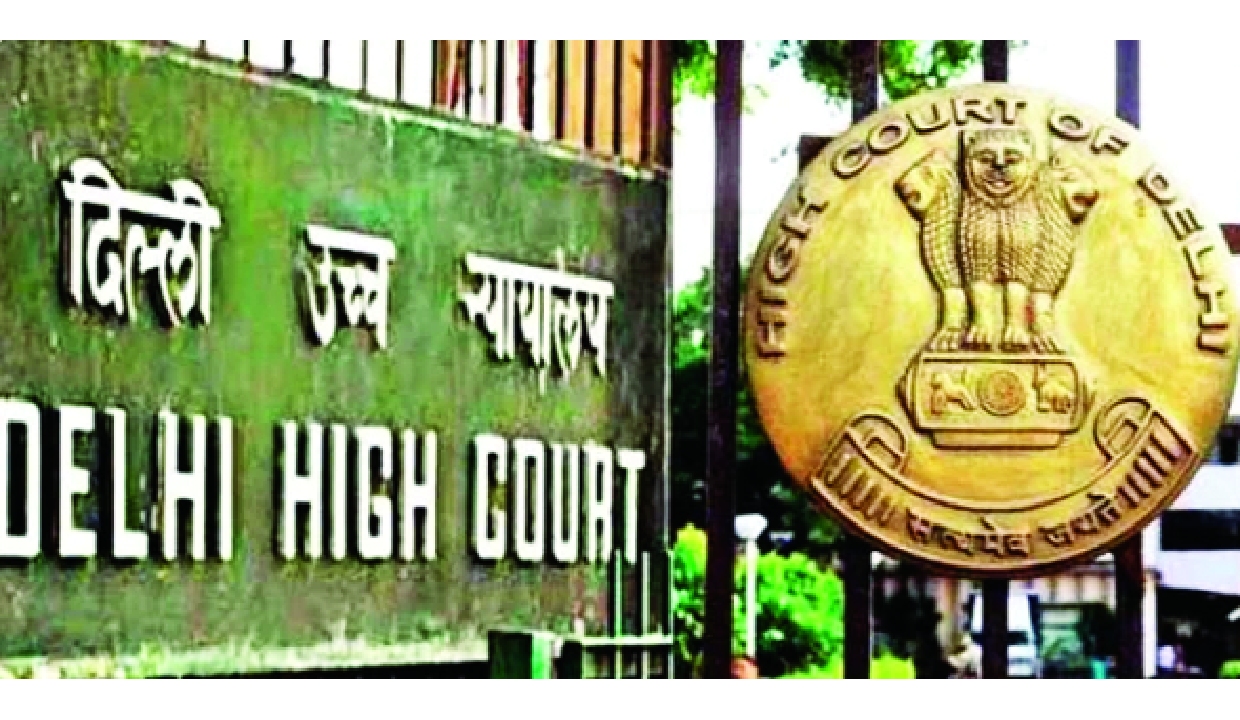
Seven judicial officers from Delhi’s district courts will be sworn in as judges of the Delhi High Court on Monday. This will bring the court’s current strength to 50 judges, while the approved number is 60. Chief Justice D.K. Upadhyaya will administer the oath to Nivedita Anil Sharma, Nisha Sahay Saxena, Sanjay Sharma, Bharat Parashar, Aditi Choudhary, Dinesh Bhatt, and Arun Bhardwaj at a ceremony at the High Court at 10 am.
These seven officers have worked for decades in trial courts and held senior administrative roles in Delhi’s judicial system. The Centre announced their appointments on Saturday, just two days before the swearing-in. The Supreme Court Collegium, led by Chief Justice of India Surya Kant, had recommended eight names on September 10. The Union government approved seven of the eight recommended names but did not clear Gurvinder Pal Singh, Principal District and Sessions Judge at the Rohini courts. The President made these appointments after consulting the Chief Justice of India, as required by the Constitution. Nivedita Anil Sharma and Nisha Sahay Saxena will become permanent judges, while Sanjay Sharma, Bharat Parashar, Dr Aditi Choudhary, Dinesh Bhatt, and Arun Bhardwaj will serve as additional judges. Three of the new judges are women, which is significant for a bench that still lacks gender balance. The new judges have direct experience from working in trial courts. Arun Bhardwaj currently serves as the Registrar General of Delhi High Court.
Bharat Parashar is the Supreme Court’s Secretary General. Before this, he was the Member Secretary of the National Legal Services Authority.
Nisha Sahay Saxena has served as Principal District and Sessions Judge for the Rohini North-West district.
Sanjay Sharma is the Principal District Judge for the Karkardooma North-East district. Dinesh Bhatt is the Principal District Judge and Special Judge for Prevention of Corruption Act cases at the Rouse Avenue Courts.
Nivedita Anil Sharma began her career in the Delhi Judicial Service in 1992 and was promoted to the Delhi Higher Judicial Service in 2006. She has worked in family, commercial, NDPS, and POCSO courts, and later served as Principal District and Sessions Judge at Saket.
Dr Aditi Chaudhry has served as Registrar (Vigilance) of the Delhi High Court and as Director of the Delhi Judicial Academy. She is a Fellow of the Commonwealth Judicial Education Institute in Halifax and works as a mediator and trainer with the Supreme Court’s Mediation and Conciliation Project Committee.
Dinesh Bhatt is the Principal District and Sessions Judge and Special Judge for Prevention of Corruption Act (CBI) cases at the Rouse Avenue Courts Complex, where he also serves as administrative head. This court handles corruption, CBI, and other special trials.
The swearing-in comes as the High Court remains below full strength. Earlier this year, official data showed 16 vacancies. Although some judges have joined through transfers and promotions in the past year, retirements and transfers to other High Courts have kept the bench understaffed. Justice V. Kameswar Rao, who was one of the senior-most judges, was recently appointed Chief Justice of the Patna High Court.
Four current judges are set to retire soon: Justice C.S. Sudha in October, Justice Anil Kshetarpal in November, and Justices Girish Kathpalia and Manoj Jain later this year. The Delhi High Court deals with a large number of constitutional petitions, commercial disputes, criminal appeals, and writs from the National Capital Territory. Vacancies have often been blamed for delays.
Lawyers believe judges from the district judiciary have a strong understanding of trial procedures, evidence, and the pressures of first-instance cases. This experience can help with appellate and writ matters.
For now, appointing seven trial court judges at once is one of the biggest single-day additions to the Delhi High Court in recent months. This move is meant to help reduce the backlog of pending cases.