Satellite photos show how Israeli forces have erased Gaza towns
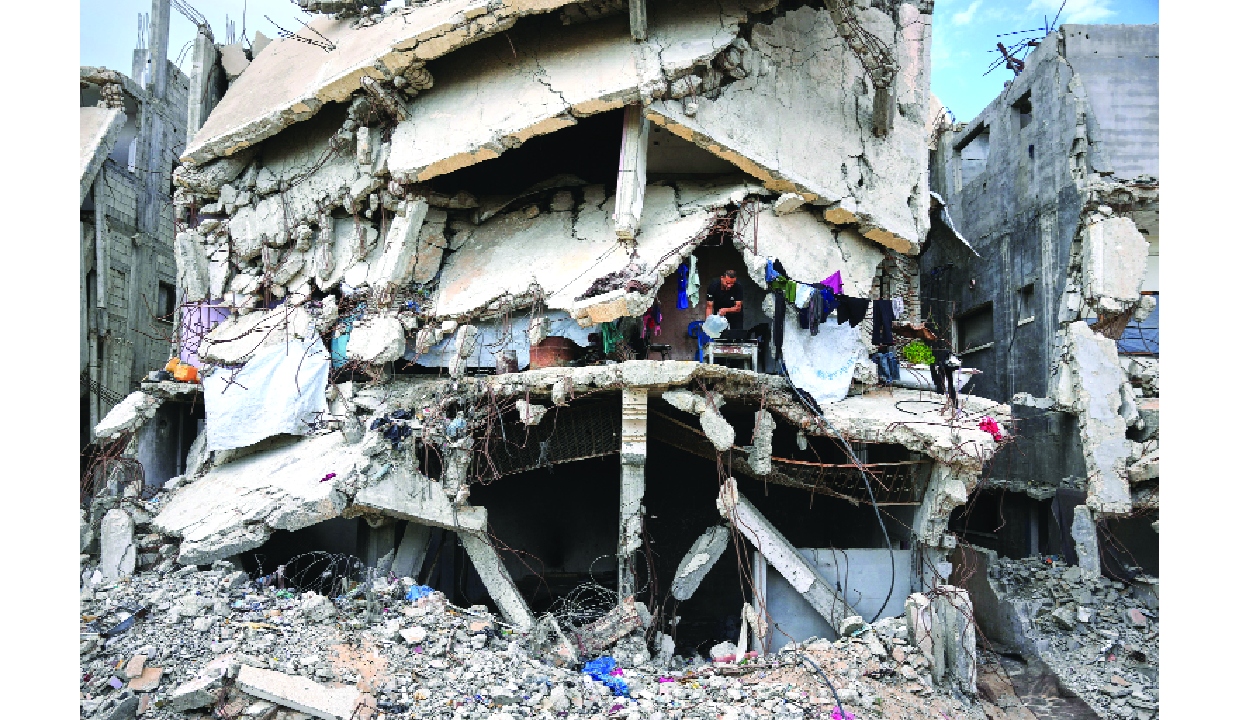
It’s perhaps the most dramatic wound inflicted on the Gaza Strip by Israel’s military campaign over the past three years: The city of Rafah, once home to a quarter million people, has been erased.
Satellite imagery shows the Israeli military has systematically razed the southern city and other towns and districts to the ground and, in some places, ploughed away the rubble. Demolition, using bulldozers and explosives, has continued unabated since the Israel-Hamas ceasefire deal reached a year ago, as the military solidifies its hold on just over 60 per cent of the territory that it still controls. Gaza’s mangled landscape is just one of the wounds on top of wounds that the enclave’s 2 million Palestinians have endured since Israel launched its campaign to destroy Hamas after the militants’ October 7, 2023, attack on southern Israel. More than one out of every 10 people from Gaza’s prewar population has been killed or wounded by Israeli fire. While nearly every family mourns dead or cares for wounded, most also had to move multiple times to escape fighting and Israeli evacuation orders.
With almost the entire population homeless, the coastal territory is now effectively one of the world’s most populated tent cities. Ramshackle canvas and nylon shelters blanket beaches and former agricultural lands and fill empty lots. Little is likely to change for the foreseeable future.
While the ceasefire deal stopped the offensives and heaviest bombardment, Israel hits tents, cars and buildings almost daily in strikes that it says target Hamas members — but that regularly kill women, children and other family members. People no longer have to flee from place to place, but few can rebuild homes because Israel bars most construction material from entering Gaza.
The ceasefire agreement’s plan for the large-scale reconstruction of Gaza has never gotten off the ground because Israel and Hamas have failed to reach a deal on disarming the militant group.
Najwa Abu Eita lost her 7-year-old daughter when Israeli forces struck her home in the central refugee camp of Nuseirat in September 2024, and her three other children were injured in the attack. Abu Eita lost an eye, her face remains heavily damaged and scarred, and she has trouble breathing.