Rising costs may slow construction equipment growth in FY27
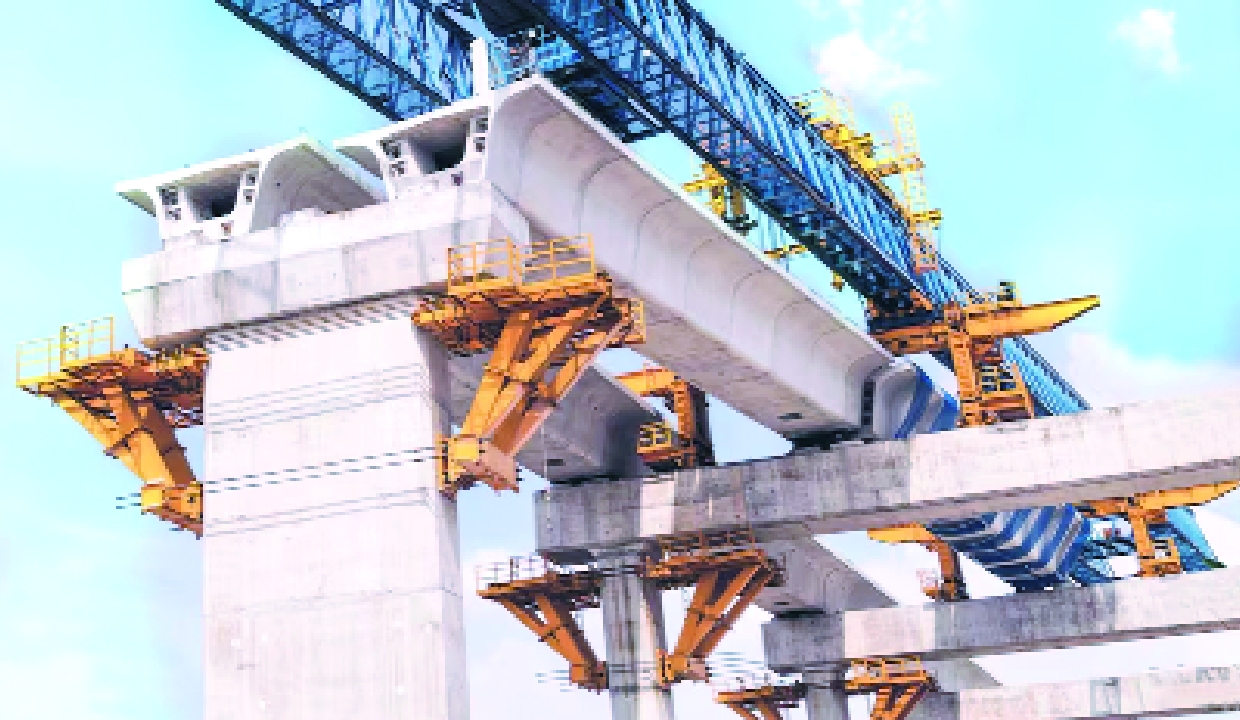
Rising prices of steel and bitumen, geopolitical uncertainty, and continuing challenges in execution of infrastructure projects could moderate India’s construction equipment industry growth in the current financial year, Shalabh Chaturvedi, Vice President of the Indian Construction Equipment Manufacturers’ Association and Managing Director, India and SAARC, CASE Construction Equipment, has said.
The industry had entered FY27 with expectations of stronger growth, but subsequent developments have necessitated a more measured outlook, Chaturvedi said in an interview.
“At the beginning of the financial year, the expectation was for double-digit growth. Considering the developments since then, we are looking at a more moderate, single-digit kind of growth. It is still growth, nonetheless,” he said.
Chaturvedi said escalation in input costs had emerged as an important challenge as the financial year progressed. Developments in West Asia had disrupted supply chains and contributed to increases in prices of several key commodities and construction inputs.
“Steel prices have gone up quite significantly. Bitumen prices have also gone up quite significantly,” he said.
Bitumen is a critical input for road construction and blacktop surfacing. Its price increased from Rs 40,000-45,000 per tonne to nearly Rs 80,000 per tonne, Chaturvedi said.
While prices have subsequently eased to around Rs 75,000 per tonne this month, they remain substantially above their earlier levels.
According to Chaturvedi, the sharp increase in construction input costs has affected project economics, particularly for contractors that had bid for projects before the escalation in commodity prices.
This has had an impact on the pace of execution in parts of the road construction sector, which remains one of the most important demand drivers for construction equipment in India.
Chaturvedi said sales across several major equipment categories had registered modest growth during the January-July 2026 period.
“The market has continued to grow, but the pace has been more moderate than initially anticipated. How the industry performs over the balance of the financial year will depend substantially on infrastructure execution, commodity prices, financing conditions and the broader geopolitical environment,” Chaturvedi said.
The Indian Construction Equipment Manufacturers’ Association is the apex industry body representing leading construction equipment manufacturers operating in the country.
Published industry data from ICEMA shows that India’s construction equipment industry recorded total sales of 1,36,995 units in 2025-26, compared with 1,40,191 units in the preceding financial year, representing a decline of approximately 2 per cent.
The moderation was attributed to temporary domestic market challenges, including slower infrastructure execution and delays in implementation of projects.
The industry, however, demonstrated resilience through strong export growth, highlighting increasing global competitiveness of construction equipment manufactured in India.
Domestic sales declined around 7 per cent in FY26 to 1,13,229 units, from 1,21,301 units in FY25, reflecting slower infrastructure execution and cautious buying sentiment across several sectors.
Exports, meanwhile, registered growth of approximately 32 per cent during the year, providing significant support to the industry’s overall performance.
India is the world’s third-largest construction equipment market. The sector is projected to reach $14.76 billion by 2030, expanding at a compound annual growth rate of 8.3 per cent.
Implementation of the Jal Jeevan Mission also slowed amid moderated fund disbursements, while delays in contractor payments affected liquidity across parts of the infrastructure ecosystem.
Implementation of CEV Stage V emission norms from January 2025 also increased equipment costs. The impact was particularly significant in a sector where a substantial proportion of equipment purchases is dependent on financing.