Ram temple faces fresh scrutiny
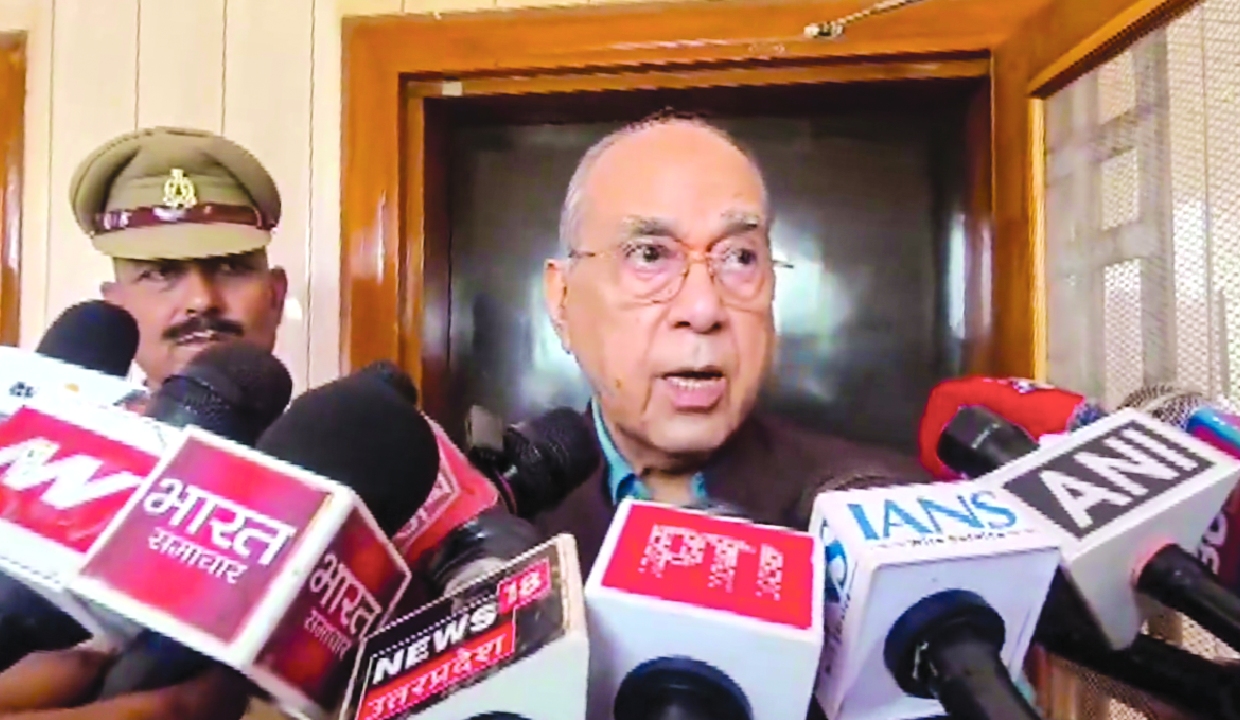
Champat Rai, the former general secretary of the Shri Ram Janmabhoomi Teerth Kshetra Trust, issued a nine-page letter on Thursday where he charged Nripendra Misra, chairman of the temple construction committee and a former senior IAS officer, with showing favouritism in decisions made during the construction of the Ram Temple in Ayodhya.
Rai stepped down on June 26 after reports of stolen offerings surfaced. The trust officially accepted his resignation at a meeting on July 6. On that day, he also sent another letter with serious accusations against trustee Anil Mishra. The nine-page letter released on Thursday mainly talks about how the construction committee worked and Misra’s role in it.
Rai says there are 15 trustees responsible for building the Ram Temple. Nripendra Misra became chairman of the construction committee.
On his recommendation, the main construction contract went to Larsen & Toubro (L&T). Misra also chose Design Associate, a Noida-based firm led by Jai Kaktikar, for design and related work. Rai claims that Misra selected the committee members himself and that some of them visited Ayodhya only once or twice in six years. In contrast, former NBCC Chairman Anoop Mittal attended meetings regularly with Misra.
Rai said that even though construction decisions were made in meetings, changes were often made afterwards, and Misra’s preferences usually took priority. He also claimed that Misra’s choices were favoured when selecting people and companies for the project. Rai said suggestions from other committee members were often ignored or not taken seriously.
Prime Minister Narendra Modi laid the Ram Temple’s foundation stone in August 2020. Since then, the trust and the construction committee led by Misra have overseen the project. L&T has handled the main construction, while other chosen firms have managed design and architecture.
Rai’s resignation itself followed the reported theft of offerings from the temple complex, an incident that drew public attention and prompted administrative action within the trust. His decision to quit the general secretary’s post on June 26, and the formal acceptance of that resignation on July 6, set the stage for the subsequent release of the detailed letter.
Trust officials have not yet responded to the specific claims in the nine-page letter. Nripendra Misra, who previously held important administrative roles, including Principal Secretary to the Prime Minister, has kept a low profile regarding the construction committee’s daily work. The trust is still overseeing the remaining work at the site, while large numbers of devotees have been visiting the temple since its consecration in January 2024.
Allegations, if pursued further, could prompt closer scrutiny of the decision-making processes that guided the multi-crore project. For now, Rai’s letIf these allegations are investigated further, they could lead to more scrutiny of how decisions were made in this major project. For now, Rai’s letter records his perspective on how the construction committee was formed, how contracts were awarded, and how much input different members had during the six years of building.
Observers point out that the trust’s 15 members include religious leaders, administrators, and technical experts. Many will be watching to see how the trust responds, given the national importance of the Ayodhya temple project. Spiritual and architectural achievements raise questions of governance and transparency within the trust that managed Ram Mandir construction.