From ChatGPT diagnosis to ‘dhuk dhuk’: Rajnath Singh flags healthcare risks
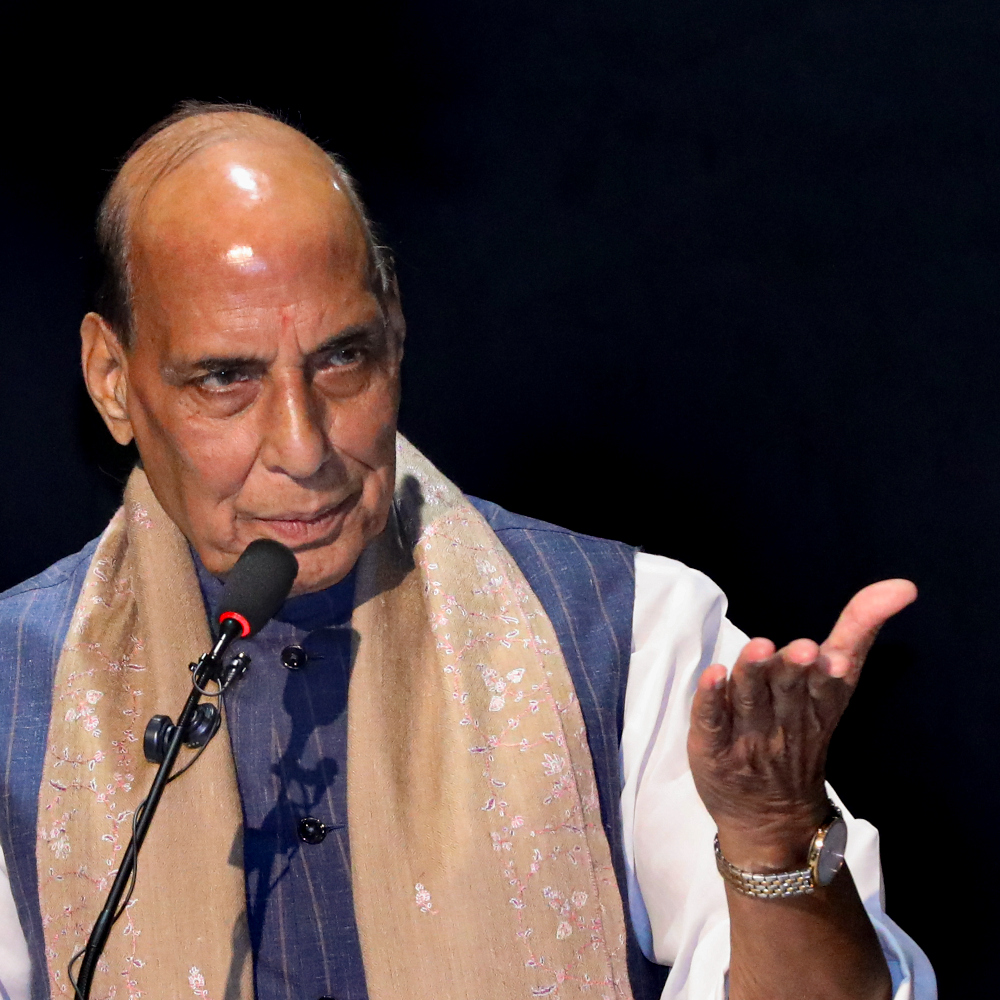
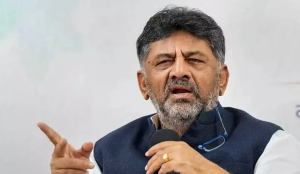
Defence Minister Rajnath Singh on Saturday expressed concern over the growing tendency among people to use the internet and ChatGPT to diagnose illnesses before consulting medical professionals, while stressing the importance of combining technology with medical expertise.
Speaking at the inauguration of a Mahajan Imaging and Labs facility, Singh said people increasingly search their symptoms online and may arrive at a diagnosis before seeing a doctor. While he acknowledged that greater health awareness was positive, he cautioned that online searches could also lead people to wrongly assume they have serious medical conditions.
Singh cited the example of mild chest pain. A person searching the symptom online could conclude that they have a serious heart condition, he said, even though chest pain may also be associated with anxiety or muscle-related problems.
He said some patients now approach doctors with conclusions drawn from internet searches rather than first explaining their symptoms. According to Singh, this can complicate the process of reaching an accurate diagnosis.
Taking a lighter approach, he also spoke about the difficulties doctors can face when patients describe symptoms using colloquial expressions, particularly in rural areas. He recalled an example of a villager describing a sensation in his chest as “dhuk dhuk”, noting that the expression is not a medical term doctors are trained to diagnose.
Singh said such communication gaps further highlight the importance of proper diagnostic testing.
He also recounted an incident involving a patient who believed, after researching symptoms online, that he had “claustrophobia”. The doctor suggested an MRI scan, which the patient readily accepted. Singh said the doctor pointed out that someone genuinely suffering from claustrophobia might not have agreed so readily to undergo an MRI.
The Defence Minister said the examples demonstrated why technology and medical expertise need to work together. While modern diagnostic equipment can help doctors determine what is happening inside the body, he said there is no machine capable of understanding a patient's state of mind.
Singh stressed that medical professionals remain essential in providing patients with reassurance, confidence and emotional support. He said doctors must combine technological tools with experience, sensitivity and compassion.
He also raised concerns about the expanding use of artificial intelligence and digital diagnostics in healthcare, particularly regarding the handling of sensitive medical information. Singh said protecting patient privacy should remain a primary responsibility and called for transparency in AI systems, safeguards against bias and a strong focus on patient safety.
“When a person comes for a test, he brings his anxiety, fear and hope,” Singh said, stressing that preserving the trust between patients and healthcare professionals was a major responsibility.
He also cautioned against unnecessary tests, incorrect reports and misdiagnosis, saying patients should not be made to feel that they are being treated merely as “a number”.
with inputs from PTI