Principal appointment row rekindles autonomy debate at St Stephen’s College
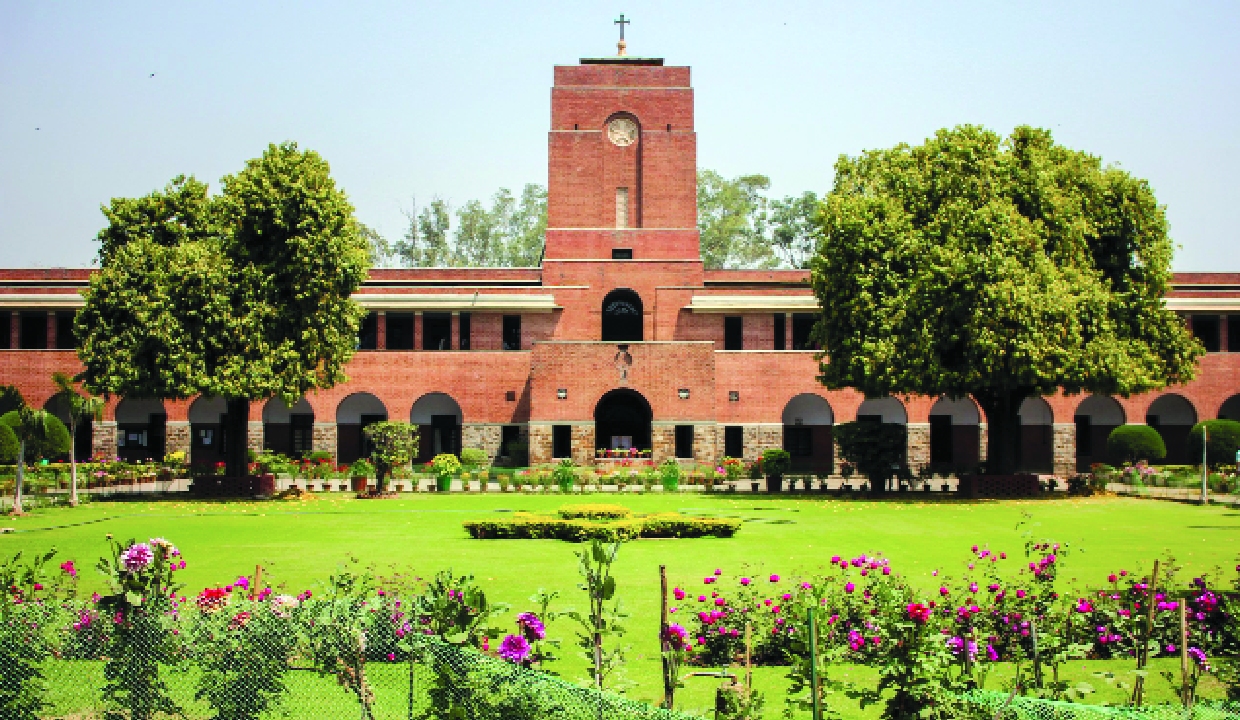
St Stephen’s College will proceed with the appointment of Susan Elias as its 14th principal from June 1, defying Delhi University’s written directive asking the college to halt the process. The sources inside the institution confirmed on Tuesday that the college is relying on its minority status to override the university’s objections regarding UGC regulation compliance.
Elias’s appointment was announced through an official notification issued on May 12. Delhi University subsequently wrote to the college asking it not to proceed, arguing that the selection committee constituted for the appointment had not been formed in accordance with UGC Regulations 2018. The university also wrote to the UGC seeking intervention. Elias is set to become the first woman principal in the college’s 145-year history, since its founding in 1881.
An official at the college, speaking on condition of anonymity: “Elias is expected to take over charges as the 14th principal from June 1. Meanwhile, John Varghese, the last principal, has been absorbed as a faculty member in the English department, though there are a lot of ambiguities surrounding that, and not much is clear to us either.”
The dispute is not entirely new ground for St Stephen’s. The college has a well-established legal precedent behind its current stance. In 2008, the Delhi High Court ruled during the appointment of former principal Valson Thampu that St Stephen’s College, as a minority educational institution, was not bound by the provisions of the Delhi University Ordinance relating to the constitution of selection committees for appointing principals. College authorities are understood to be relying on this ruling to justify proceeding without adhering to the DU-prescribed committee composition.
A second official pointed to history repeating itself. “Even after Thampu had taken over as principal and the court had passed its judgement, in the initial phase, he was not formally recognised as principal, and his salary would not come from the UGC but from a private fund of the college. It was much later that Thampu was formally recognised by the university.”
The official added: “The university has even refused to recognise Varghese’s second term, but he did continue as principal. Likewise, Elias is expected to take over, too.” The current standoff also extends an ongoing court matter between Delhi University and the college over the recognition of Varghese’s second term as principal, which ended in February 2026. That dispute remains unresolved.
The broader question that the Elias appointment is now forcing into focus is the extent of autonomy that minority institutions enjoy in matters of governance and appointments. DU’s position is that UGC regulations apply uniformly regardless of minority status. The college’s position, backed by the 2008 High Court ruling, is that its minority status exempts it from specific ordinance provisions that govern selection committee composition.
In practical terms, the situation may mirror the Thampu episode, where the appointee took charge, salary was initially managed through the college’s private funds, and formal university recognition came significantly later. What is unambiguous is that Elias is expected at the college on June 1. What follows after that will depend on how far both sides are willing to push the dispute.